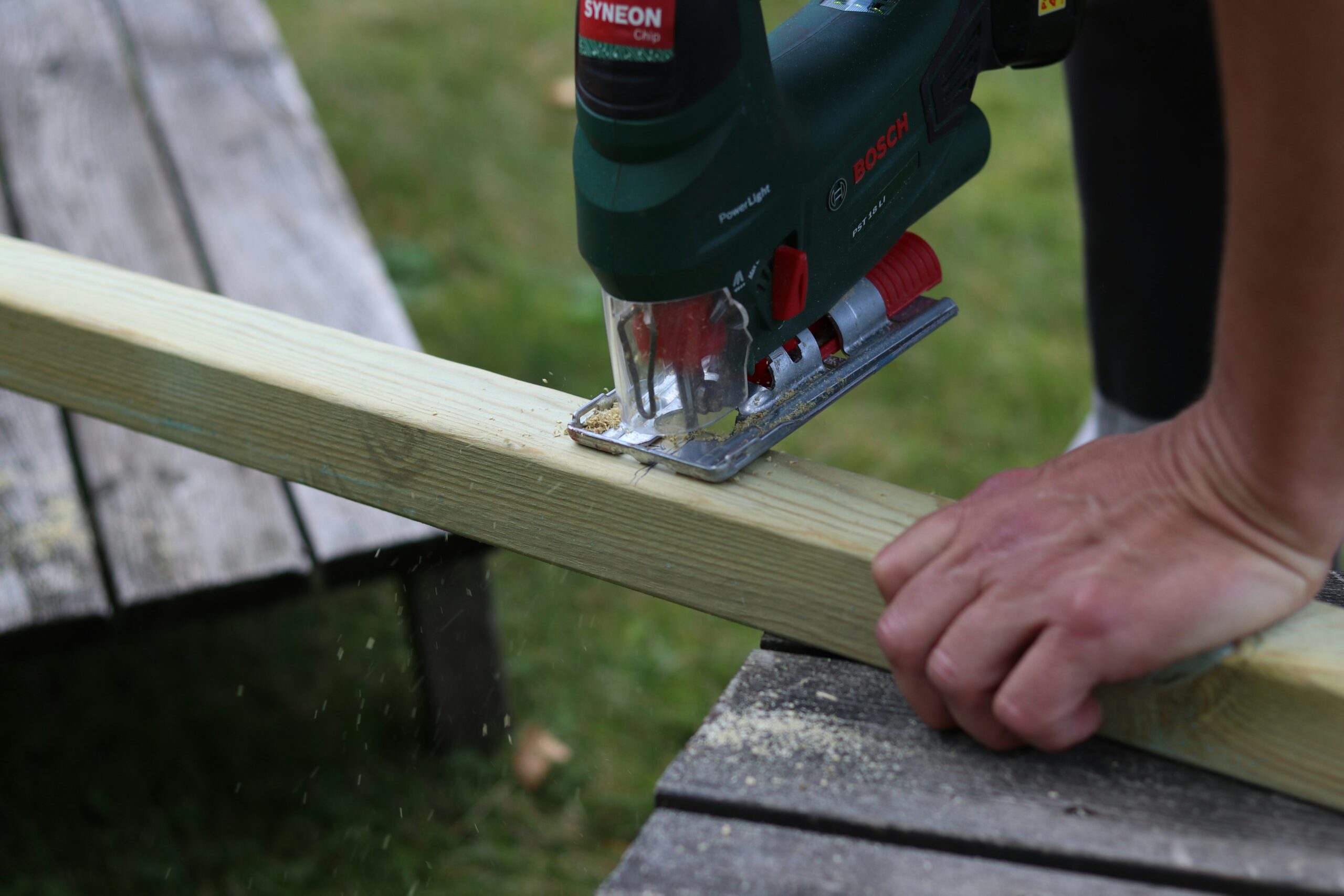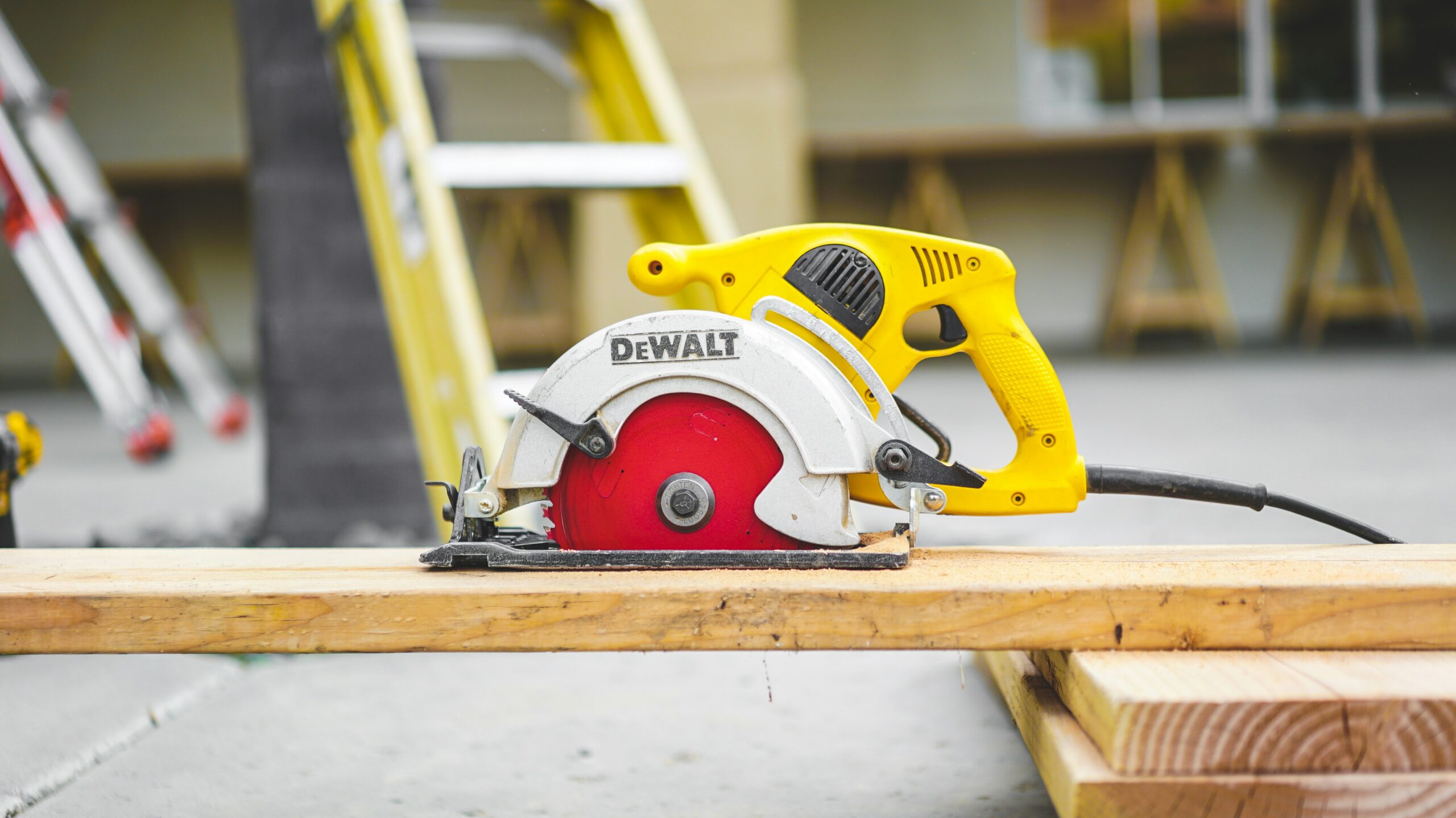
There is something deceptively simple about oscillating saw blades. They are small, flat accessories attached to a tool that barely appears to move, yet the right blade can cut a piece of hardwood, slice through a nail, remove grout, trim a door jamb, or make a plunge cut where a conventional saw simply cannot reach.
This flexibility is also why it is surprisingly so difficult to select the right blade. Blades may appear almost identical yet be designed for very different materials. Tooth geometry, the material of the blade itself, width, depth of cut, mounting mechanisms, and condition of work piece are all factors which can affect the outcome.
Thus, the modern oscillating multi tool really focuses more on the attachment rather than the tool. If you understand your oscillating multi tool properly and you learn how your attachment relates to the machine and the material you want to cut, it becomes easier to achieve the kind of quality of work you’d like – either by providing cleaner cuts, extending the life span of your accessory and improving your overall ability to steer your tool.
Why Oscillating Saw Blades Matter More Than They Look
An oscillating multi-tool rapidly moves the blade or accessory over a very narrow range of motion, rather than rotating it a full 360° at very high speed, as does a circular saw, making it particularly useful for oscillating multi-tool cutting applications. This characteristic motion allows the tool to exert control that its other powered peers cannot.
You can maneuver the blade right alongside a wall or cabinet face, cut around trim, or create a neat flush cut right at an adjacent surface. This tool also uses specific types of blades for different tasks, such as a segmented blade to cut flush or a compact blade to enter a work surface without a hole starting point.
But it doesn’t mean every saw blade is the equivalent in terms of cutting. The blade is the part that makes the cut, and its teeth dictates how aggressively it removes material. Hard steel or carbide will also dictate how well it withstands contact and friction and heat.
Take Bosch, for example-their line of oscillating accessories falls under the carbon steel (high carbon and bi-metal), carbide, and diamond-grit umbrella, and their many styles vary depending on their intended use. That means blindly buying an oscillating blade simply because it “fits your tool” is usually a part of the equation at best.
The Blade Is Really a Material-Matching Problem
The most useful question is not “Which blade is best?”
It is:
What exactly am I cutting?
So you have a soft wood board, a nail-loaded frame board, stainless steel fastener, PVC pipe, cement board and ceramic grout all of which put demands on a blade. A high carbon steel wood blade may work well on ordinary wood and won’t necessarily be the “go-to” blade you want when slicing into a hardened metal fastener. Correspondingly, a difficult metal carbide blade may rip through a simple pine board unnecessarily aggressively. This “material focus” approach is one of the simplest methods for extending blade life.
High-Carbon Steel Blades for Ordinary Wood
When cutting more general wood, high-carbon steel (HCS) are generally the blade of choice, mainly useful where your subject is likely to bewood and relatively free from many nails and screws, which may lead to rapid tooth blunting. For example, Bosch HCS segmented blades are intended for softwood, hardwood, plywood and chipboard. Tooth style- A cutting saw blade that’s made for ripping with much more power. In a cutting sword, the teeth shape will differ based on the desired speed, a clean cut etc.
For carpentry, trimming, cabinetry and general DIY repairs, matching the tooth pattern to the type of wood can matter just as much as the nominal blade material.
Bi-Metal Blades: The Workhorse for Mixed Materials
In this situation (unpredictable material), it is even more beneficial to use bi-metal blades. Suppose you are cutting an old piece of framing. You are cutting through wood, but about half way through you hit a nail. If you had used only wood blades, they would probably have dulled quite a bit at that point!
The combination of different steel properties in the bi-metal design is intended to provide a blade suitable for difficult mixed material applications, and numerous contemporary blades have been developed for use with wood with embedded nails, PVC and drywall.
Bosch specifies the new titanium coated bi-metal segmented blades for all-purpose use which includes use on wood with nails. Similarly, Milwaukee marks their multi-material bi-metal blade for use on wood, nails, PVC and dry wall. It could be a convenience for remodeling work, considering older building materials usually behave unlike their smooth shop counterparts.
Carbide Blades Enter When the Material Gets Tough
Carbide flips the switch. Carbide-tipped oscillating blades cut materials that wear out normal steelteeth quickly and are used for a wider range of cutting materials such as hardened metal, nails, cement board, plaster, wood that has nails or screws,and more. The 3 differentoscillating accessories now using carbide tooth on them are made to get through those harsher metals.
Milwaukee also provides carbide-tipped blade for from screws & nails all the way through cement board & plaster, with a specialized set up for extreme metal cutting. Key lesson “carbide” is not one size fits all. Carbide tooth geometry and blade design still matter.
Japanese-Tooth Blades Are About Control as Much as Speed
Hardwood is a completely different ballgame from construction lumber. Softer wood might be forgiving of a cutting action that “drifts” a little while the blade continues cutting, but a dense hardwood really sings when the blade has a good bite without diving off the line. The Japanese-tooth blades use a special toothing pattern that cuts wood efficiently-and manufacturers even sell specifically for hardwoods.
Take the Milwaukee Japanese-tooth oscillating blades. Their teeth are triple-ground and, even though intended for hardwood, are also a fine choice for cutting other kinds of wood:
With fine woodworking the appeal is more then the faster pace of material removal. Consistency matters. You can have better control of the cut and clean it up in fewer passes with a blade that has no runout.
Plunge-Cut Blades and Segmented Blades Do Different Jobs
Another of the big considerations when choosing a tool for this sort of purpose – and the blade – will vary according to the type of work. A traditionally shaped ‘plunge-cut’ blade has wide cutting edges at one end, allowing it to “plunge” the tool bit directly into a surface.
Segmented edges- rounded or semicircular in shape The circular cutting profile works for longer, straight cuts where it provides ample room for a wide working area. Segmented cut edges provide optimal conditions for long straight and also flush cuts; as Bosch states. You can clearly see in the photo during a renovation job how this comes into effect.
A carpenter cuts a wooden doorjamb for new floor covering to slide under. A regular saw may not be able to reach the floor closely enough for the job. However, an oscillating tool and the correct flush cut blade can be pushed flush against the surface and produce the cut needed. That’s where the very strange motion of the tool actually benefits the user instead of just offering an alternative.
Blade Width Changes the Character of the Cut
Width might also be something of a given as the size is usually specified in print on the blade of the tool packaging, and is generally not something that’s discussed in great detail. Wider blades cut a bit more surface area with each pass and can sometimes even be beneficial if a wide cutting area or some stability are important. Shallower widths may provide more access in tight spaces.
Depth matters as well.
Manufacturer specified plunge limits Some manufacturers define maximum plunge limits for individual accessories. The specification page for the Milwaukee bi-metal multi-material range, for example, offers different lengths with corresponding plunge depth information. The rule of thumb here is straightforward; don’t guess the safe cutting depth based on the visible part of the accessory blade, make sure you can locate and use it from the manufacturer’s spec’s for your specific part.
The Mounting System Can Be Just as Important as the Teeth
An expertly sharpened piece of blade technology doesn’t do much good if it won’t mount to the tool! Rotary Oscillating Accessories use variety mounting hardware and compatibility has evolved so much. There’s the Starlock system of mounting O.A.P., or there is common “universal mount”. Bosch has stated on its site, their OIS accessory’s, the ones that don’t need a special adapter’s fit Starlock mounted tools as well as that OIS based machines by some manufacturers can mount them.
FEIN’s compatibility information also indicates that compatibility differs depending on tool and mount class. Some tool can use various Starlock bits, and some tool brands require adapters.
This is an important distinction:
Universal-looking does not necessarily mean universally compatible.
Before buying, identify the exact tool model and mounting system rather than relying on a photograph of the blade or a generic product description, and review the manufacturer’s oscillating accessory compatibility guide for the specific tool.
What Professionals Notice About Blade Selection
A more seasoned operator will spend less time thinking about the blade as a separate add-on and more time considering the whole cutting mechanism. The tool, the blade, the workpiece, the direction of cut, and the amount of pressure applied by the operator will all be considered together. A more powerful tool will not make up for selecting the wrong blade, but more pressure does not make up for the wrong tooth geometry, nor will even a new blade run well if an operator stresses it sideways or if it overheats.
Independent testing demonstrates how much cutting performance can differ between a tool and a specific blade. A head-to-head comparison among some of the oscillating multi-tools for sawing yellow pine, red oak, and nail-embedded lumber yielded the results shown below in September 2026, providing another example of the real-world interplay among a saw and blades.
That is a useful professional lesson: published specifications tell only part of the story.
Common Mistakes That Shorten Blade Life
A frequently encountered error is utilizing a wood blade on an unseen nail or screws embedded within material. If dealing with old framing or demolition/reno, a more sure choice would be a multi-tool or appropriate bi-metal blade.
Another mistake is pushing too hard.
A oscillating blade moves from back to front, shaving off material with short, fast strokes. Too much pressure into the cutting action causes the cuts to drag in and create excess heat on blade and adapter and reduces the life of this accessory the wood should be fed into the blade, not plunged into the cutter with so much pressure. Also, side load a side loaded blade may break the teeth off and could also cause distortion in blade of accessory
Another common error is to continue with an obviously dulled blade-a blade with a worn cutting edge usually signals slow cutting, excessive heat, too much chatter or walking. Trying to force a dulled blade just increases the frustration.
How to Get Cleaner, More Controlled Cuts
First, clamp down your workpiece securely – no amount of sharp blade will work well with wood that’s jumping with every oscillation. Clamping is key with small parts or for any type of precise cut, anyway. After the material is securely clamped down, get ready to draw a line on it to tell the blade exactly where it belongs. If your cut is a plunging one, think about where you want the blade to exit the material and if there’s hidden electrical, plumbing, or other such surprises in there as well.
Consider use your thinnest reasonable blade if space is limited, but don’t take too much out of consideration if all you can get out of a particular saw’s action will cut too loosely. Then apply the smallest force you think could get the job done and work toward allowing the teeth do the most of work. If your blade start heating too much and/or progress slows significantly, consider stopping; you can always apply more pressure later. Of course, on a job site and the object in the mind when planning the saw – an entire-unit build rather than demolition work that required time, then use a blade that works best, one that requires your effort the least.
A Practical Blade-Matching Guide
| Material or task | Blade type to consider | Main reason |
| Softwood | HCS wood blade | Efficient general wood cutting |
| Hardwood | Japanese-tooth or suitable wood blade | Controlled cutting in dense wood |
| Wood with nails | Bi-metal or suitable carbide blade | Better resistance to embedded metal |
| PVC | Multi-material blade | Designed for mixed soft-material applications |
| Drywall | Wood/multi-material or specialty drywall blade | Efficient cutting of soft board |
| Hardened metal | Carbide-tooth metal blade | Greater resistance to difficult metal |
| Grout | Carbide or diamond-grit accessory | Abrasive material removal |
| Flush trimming | Segmented blade | Better access against a surface |
| Direct plunge cut | Plunge blade | Designed to enter material from the face |
This is a starting framework, not a substitute for the blade manufacturer’s application chart. Products within the same category can have significantly different specifications.
Troubleshooting: When the Cut Is Going Wrong
The blade cuts slowly.
Check whether the blade is appropriate for the material and whether its teeth are worn. If the application involves metal or abrasive material, a standard wood blade may simply be the wrong accessory.
The blade becomes very hot.
Excessive pressure, a dull blade, unsuitable material, or prolonged cutting can contribute to heat. Stop the cut and allow the accessory to cool before reassessing the setup.
The blade wanders.
A worn blade, excessive pressure, poor positioning or an unsuitable blade width can reduce control. Secure the workpiece and use a blade designed for the type of cut.
The teeth disappear quickly.
Look first at the material. Hidden nails, screws, cement board or abrasive surfaces can destroy a blade intended only for wood.
The tool vibrates more than expected.
Inspect the blade for damage and verify that it is properly mounted. A bent or damaged accessory should not simply be forced back into service.
Safety Is Part of Blade Selection
Oscillating tools are often perceived as relatively gentle because they lack the exposed rotating blade of a circular saw. That perception can be misleading.
The accessory still cuts aggressively, and broken teeth or fragments can become hazards. The workpiece may also produce dust, chips or other airborne particles depending on the material.
Follow the tool manufacturer’s operating instructions and use appropriate eye protection and other personal protective equipment for the material and task. When cutting into walls, floors or enclosed assemblies, identify possible electrical, plumbing and structural hazards before starting.
The quieter appearance of the tool should never be confused with harmlessness.
Where Oscillating Saw Blades Are Heading
The accessory market is becoming increasingly specialized.
Instead of treating one blade as a universal solution, manufacturers are developing distinct designs for hardwood, multi-material work, extreme metal, grout, drywall and other applications. Current product lines from Bosch and Milwaukee demonstrate how far this specialization has progressed.
There is also an emphasis on mounting systems that transfer force more effectively and on blade geometries intended to reduce vibration or improve cutting control.
That suggests an interesting future for the category. The oscillating multi-tool itself may not need to become dramatically different for users to gain better performance. Improvements in the accessory—the part actually touching the material—can change what the same machine is capable of doing.
The Final Cut
The most useful way to think about oscillating saw blades is not as a collection of interchangeable metal accessories, but as specialized cutting instruments for power tool projects.
Many everyday woodworking projects benefit greatly from high-carbon blades. Woodworkers appreciate the utility of a bi-metal blade when there’s a possibility of cutting wood and metal simultaneously. Carbide is advantageous when the cuts are exceptionally hard and/or abrasive. The design options can help control your cutting even on wood that is difficult to cut as with Japanese style teeth, or allow you to overcome challenging shape requirements as with segmented and plunging blades.
The smart choice start with an understanding of both the materials being worked with and the needed cut. After analyzing things like depth, space, blade orientation and tool interface. Now that these issues are identified, the oscillating multi-tool is much simpler. The machine provides the action; the blade, smarter execution.
FAQs About Oscillating Saw Blades
What are oscillating saw blades used for?
They are versatile to allow precisely controlled cutting and removing of materials to include wood trim applications, flush cuts, plunge cuts, drywall work, cutting PVC, grout,metal and a host of other challenging materials (with additional tools).
Can an oscillating blade cut metal?
Yes; however, the blade must be rated for the appropriate metal application. While bi-metal blades may handle some softer or hybrid material applications, carbide-tipped blades exist to accommodate tougher metal cutting challenges.
What blade should I use for wood with nails?
A suitable bi-metal multi-material blade is a common choice because it is designed to tolerate both wood and embedded metal. For particularly demanding applications, manufacturers also offer carbide-tooth alternatives.
Are oscillating blades universal?
Not necessarily. Compatibility depends on the mounting system and the specific tool. Starlock and other mounting standards should be checked before purchasing an accessory.
Why do oscillating blades wear out so quickly?
However a blade is only as reliable as its constituent parts – being a factor which comes into consideration on material, pressure, slicing technique, thermal output, as well as its own manufacturing top notch plus workpiece standards. Embedded obstacles like nails, screw and sharp agents will certainly severely reduce the performance of a wood cutting element.
Is a wider oscillating blade better?
Not automatically. Wider blades can provide a broader cutting path and may offer useful stability, while narrower blades can be easier to control in confined areas. The appropriate width depends on the job.
When should an oscillating blade be replaced?
When teeth are too worn or damaged, cutting begins to become incredibly slow, the blade grows too hot, and the user has lost control, even while using appropriate technique and material settings.