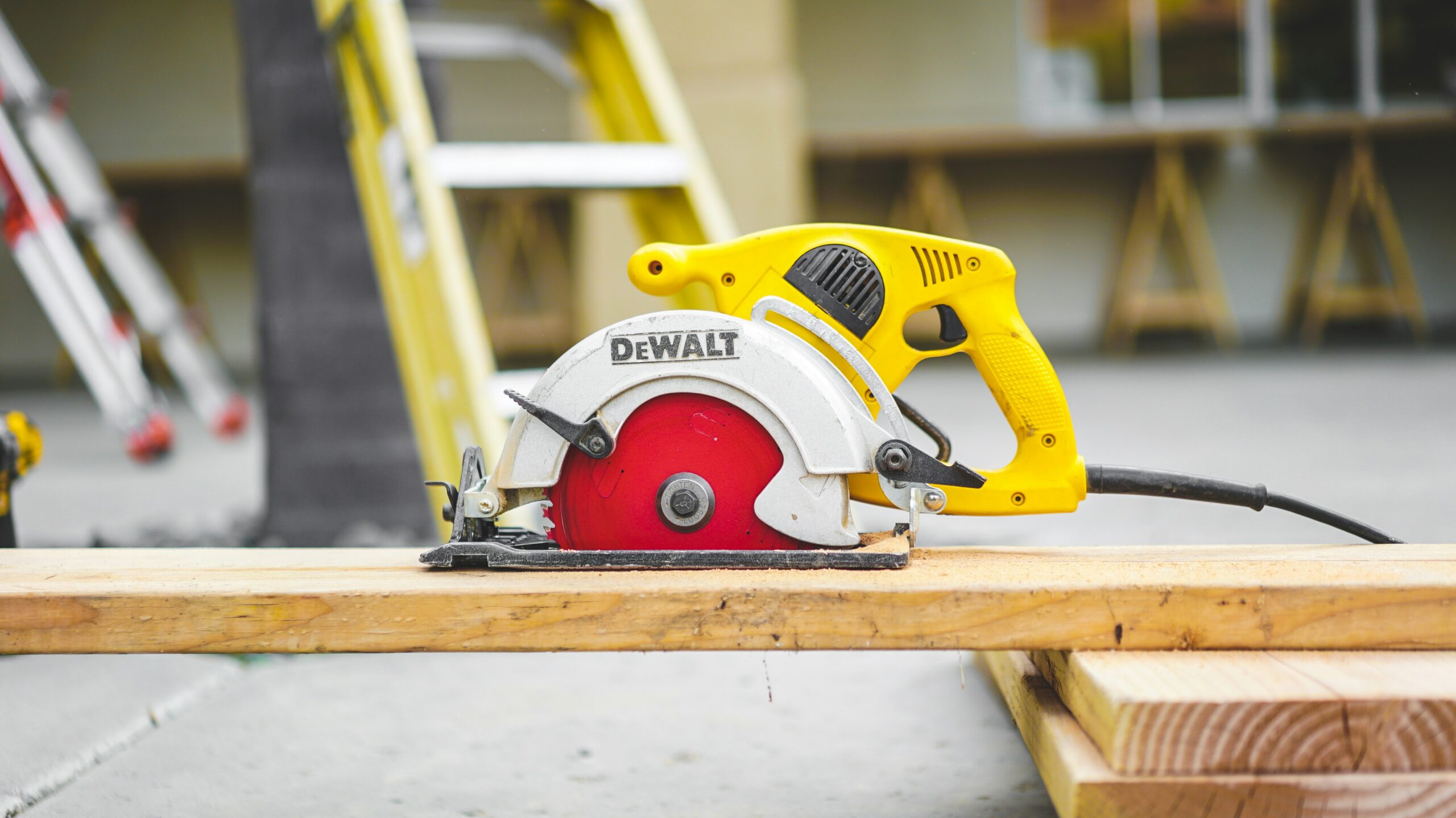
When a power tool begins burning through lumber, binds up in the middle of a cut or trips circuit breakers, the operator commonly chalks the situation up as “failing motor” or “tool life is coming to an end”. Truth is, power tool performance issues are almost universally attributed to lack of consistent routine tool maintenance. Should you be asking what is the most important maintenance on a circular saw, without a doubt, the answer is centered upon maintenance and condition of the cutting blade along with inspection and condition of the circular saw’s lower safety guard assembly.
Understanding what is the most important maintenance on a circular saw is predicated upon seeing the interrelated functions of each piece of a circular saw.
A neglected cutting blade, or a sticking guard, not only destroys a sheet goods or lumber finish; the stress can also damage the armature and brushes.
The Core Priority: Blade Inspection, Pitch Cleaning, and Tensioning
If experienced woodworkers and tool technicians had to narrow down what is the most important maintenance on a circular saw to a single routine task, it would be managing the blade’s physical condition through proper circular saw blade maintenance. The blade is the only part of the tool that directly interfaces with the material, acting as a diagnostic indicator for the rest of the machine.
+———————————————————————————–+
| Primary Causes vs. Effects of Blade Neglect |
+————————–+——————————————————–+
| Cause of Blade Neglect | Resulting Equipment and Safety Consequences |
+————————–+——————————————————–+
| Sap and Pitch Buildup | Increases friction, cooks wood, bogs down motor speed |
+————————–+——————————————————–+
| Dull Carbide Teeth | Forces operator to push harder, risking violent kickback|
+————————–+——————————————————–+
| Chipped or Warped Plate | Creates severe vibration, damages arbor shaft bearings |
+————————–+——————————————————–+
| Incorrect Arbor Tightness| Causes blade slippage or warps the inner flange |
+————————–+——————————————————–+
Removing Pitch and Resin Deposits
Natural sap and pitch are drawn out of wood fiber when sawn due to the heat generated during the cutting process of softwood such as pine or Douglas fir. This baked on sap and pitch builds up on carbide tip sides and steel plate, resulting in significant friction on the kerf walls. Trade professionals can easily mistake an all-pitch coated blade as a dull blade.
Soak your blade in an ounce of citrus degreaser and 1-2 cups hot water for 10 minutes to take it of all residual pine sap/pitch then scrub carbide tips gently with a brass brush.
This leaves you with virtually no drag and no excess heat!
Evaluating Sharpness and Carbide Integrity
Blade easily passes through the material. You are pushing through with body force; that is a tip wear issue. All carbide tips need to be looked at individually.
Are there micro fractures, rounded corners, missing teeth?
Missing teeth: a missing tooth on a circular saw blade causes side forces and vibration which will also cause rapid bearing wear to the motor shaft.
Proper Arbor Mounting and Washer Maintenance
Before any new blades are mounted, or being switched from an old set to a new set, be sure and inspect both inner and outer flanges, as well as the arbor bolt. If it catches material and prevents you from putting the blade perfectly flat it results in an un even seated blade or “runout,” where the blade wobbles from side to side during the rotation process. Clean the arbor space first and before tightening down the bolt to the manufacturers specs which should be simply “snug” to preventslippage, rather than forcing it on and twisting the drive washers out of true:
Secondary Priority: Lower Guard Mechanical Integrity
While blade care addresses cut quality and motor longevity, the spring-loaded lower guard protects the operator’s physical safety. Any discussion answering what is the most important maintenance on a circular saw must emphasize guard responsiveness as an absolute non-negotiable check.
When cutting materials like Medium-Density Fiberboard (MDF) or pressure-treated lumber, fine particulate dust mixes with ambient moisture and oil residues inside the guard housing. This creates a gummy sludge that slows down or completely jams the spring mechanism.
- The Snap-Back Test: Before plugging in the cord or snapping in the battery, pull the lower guard retracting lever all the way back and release it. The guard should instantly snap back over the teeth with a crisp, audible click.
- Cleaning the Guard Hub: If the guard hesitates or sticks, blow out the hub housing using dry compressed air. Avoid spraying petroleum-based wet lubricants into the guard mechanism, as sticky solvents attract wood dust, creating a heavier buildup shortly down the road. Use a dry silicone spray or PTFE lubricant if friction persists.
- Inspecting for Distortion: Drop damage or rough storage in jobsite toolboxes can bend the thin metal or plastic lip of the lower guard. A bent guard can catch against the baseplate during bevel cuts, stalling the saw mid-cut.
Protecting the Powerhouse: Motor and Ventilation Maintenance
Even with a sharp blade and a smooth guard, the electric motor requires basic upkeep to prevent sudden electrical failures or thermal meltdowns. Knowing what is the most important maintenance on a circular saw motor involves managing thermal airflow and electrical conductivity.

┌────────────────────────────────────────┐
│ Routinely Blow Out Air Vents │
│ (Prevents Thermal Overheating) │
└───────────────────┬────────────────────┘
│
▼
┌────────────────────────────────────────┐
│ Inspect & Clean Baseplate / Shoe │
│ (Ensures Flat, Frictionless Glide) │
└───────────────────┬────────────────────┘
│
▼
┌────────────────────────────────────────┐
│ Check Carbon Brushes (Corded Saws) │
│ (Prevents Armature Arc Damage) │
└────────────────────────────────────────┘
Clearing Thermal Vents
Circular saw motors pull high volumes of ambient air through intake vents to cool the field windings and armature during operation, making power tool ventilation maintenance an important part of preventing overheating. Dust build-up coats internal components, acting as an insulating blanket that retains heat. Periodically clear these intake and exhaust ports using compressed air. Operating a saw with clogged vents significantly shortens the lifespan of the motor insulation.
Monitoring Carbon Brushes (For Corded Models)
While many modern cordless tools utilize brushless motors, traditional corded saws rely on carbon brushes to transfer electrical current to the rotating commutator. With continued use, these carbon blocks slowly wear away.
Inspecting carbon brushes twice a year prevents catastrophic motor damage. If the carbon block wears down past 1/4 inch, replace both brushes immediately. Allowing carbon brushes to wear completely out causes the steel retaining spring to contact the copper commutator, sparking severely and scoring the motor armature beyond repair.
Optimizing the Baseplate and Bevel Mechanism
The baseplate (or shoe) determines your depth of cut, bevel accuracy, and straight-line tracking, much like other circular saw setup and adjustment procedures. If the shoe is out of alignment, even the highest-end blade will bind or drift off your cut line.
When considering what is the most important maintenance on a circular saw shoe assembly, focus on these critical adjustments:
- Checking 90-Degree Squarenest: Use a small machinist square set between the blade plate (avoiding the offset carbide teeth) and the underside of the baseplate. Verify that the bevel pointer reads exactly zero when the blade is perpendicular to the shoe. Adjust the bevel stop screw if you detect any variance.
- Smoothing the Shoe Surface: Rough burrs or scratched paint on aluminum or steel bases create dragging resistance against the workpiece. Lightly sand away burrs with fine-grit emery cloth, then apply a light coat of paste wax to the bottom of the shoe to allow the saw to slide effortlessly across sheet goods.
- Tightening Bevel and Depth Knobs: Dust accumulation inside the depth-adjustment pivot quadrant often tricks operators into thinking the lever is locked when it is only partially tightened. Keep these quadrant tracks clean and wax them occasionally to ensure locking levers clamp down securely without slipping mid-cut.
Critical Errors to Avoid During Saw Maintenance
In an attempt to maintain their equipment, users often make hasty errors that shorten tool life or introduce severe safety hazards.
- Using Heavy Wet Oils on Plastic Parts: Applying liquid motor oil or WD-40 onto plastic guard housings or depth levers degrades synthetic polymers and attracts sawdust, creating a grinding paste that wears out moving parts faster.
- Filing Carbide Teeth by Hand: Carbide is extremely hard and requires specialized diamond grinding wheels set to specific hook angles to sharpen correctly. Attempting to sharpen carbide teeth with a standard steel file rounds off the cutting corners, rendering the blade completely useless.
- Disabling the Lower Guard: Pinning or wedging the lower guard open with a nail or tape to facilitate plunge cuts is an extraordinarily dangerous practice responsible for serious jobsite injuries.
- Ignoring Power Cord Integrity: On corded models, wrapping the power cord tightly around the saw handle strains the internal wiring at the cord boot, causing intermittent power drops or dangerous short circuits.
Comprehensive Checklist: Daily vs. Monthly Saw Care
Establishing a structured workflow ensures you address every facet of tool care systematically.
| Frequency | Target Area | Action Required |
| Before Every Session | Lower Guard | Conduct snap-back test; verify smooth clearance across full travel. |
| Before Every Session | Blade Teeth | Visual check for chipped carbide, cracks, or heavy sap accumulation. |
| Weekly | Blade Cleaning | Remove pitch using citrus cleaner and a soft wire brush. |
| Weekly | Motor Housing | Blow out sawdust from motor intake vents with compressed air. |
| Monthly | Baseplate / Shoe | Check 90° and 45° stops with a square; apply paste wax to shoe undersides. |
| Bi-Annually | Carbon Brushes | Remove caps, measure carbon wear, and replace if under 1/4 inch thick. |
Long-Term Prevention and Storage Strategies
How and where you store your circular saw directly impacts how much maintenance it will require over its operational lifecycle. Moisture control is paramount; cast magnesium or steel shoes rust rapidly when stored in damp basements or uncovered truck beds.
Always store spare blades flat or hung individually on pegs. Stacking bare blades on top of one another causes the hard carbide tips of one blade to chip or dull the steel plates of adjacent blades. For cordless saws, remove the lithium-ion battery pack before placing the tool into a bag or case. This prevents accidental motor activation during transport and protects the electronic contacts from corrosion.
By prioritizing blade hygiene, keeping the guard action springy, and ensuring ventilation pathways remain clear, you now have a complete understanding of what is the most important maintenance on a circular saw. Following these preventative steps guarantees safe operation, extends motor lifespan, and maintains pristine cut quality across every woodworking project.
Frequently Asked Questions
1. How often should I clean pitch off my circular saw blade?
You should clean pitch off your blade as soon as you notice burn marks on wood, increased resistance when pushing the saw, or a visible dark brown glaze behind the carbide tips. For heavy users, this typically means cleaning the blade every few weeks.
2. Is it better to sharpen a circular saw blade or buy a new one?
High-quality construction or fine-finish blades with thick carbide tips are well worth sending to a professional sharpening service. However, inexpensive, thin-kerf framing blades are often more cost-effective to replace once worn down.
3. Why does my circular saw blade bind even when cutting straight lines?
Binding usually happens because the blade is coated in sticky sap, the teeth are dull, or the baseplate is twisted out of parallel with the blade. Clean the blade thoroughly and check that the arbor washers are seated flat against the plate.
4. What type of lubricant should I use on the lower guard spring?
Use dry lubricants like dry silicone spray, graphite powder, or PTFE spray. Avoid wet motor oils, multi-purpose sprays like standard WD-40, or heavy greases because they attract sawdust and create a sticky paste that jams the guard.
5. What happens if I don’t change worn carbon brushes on my saw?
If carbon brushes wear down completely, the metal spring behind the carbon will contact the copper commutator inside the motor. This causes heavy electrical arcing, severe sparking, loss of power, and irreversible damage to the armature.