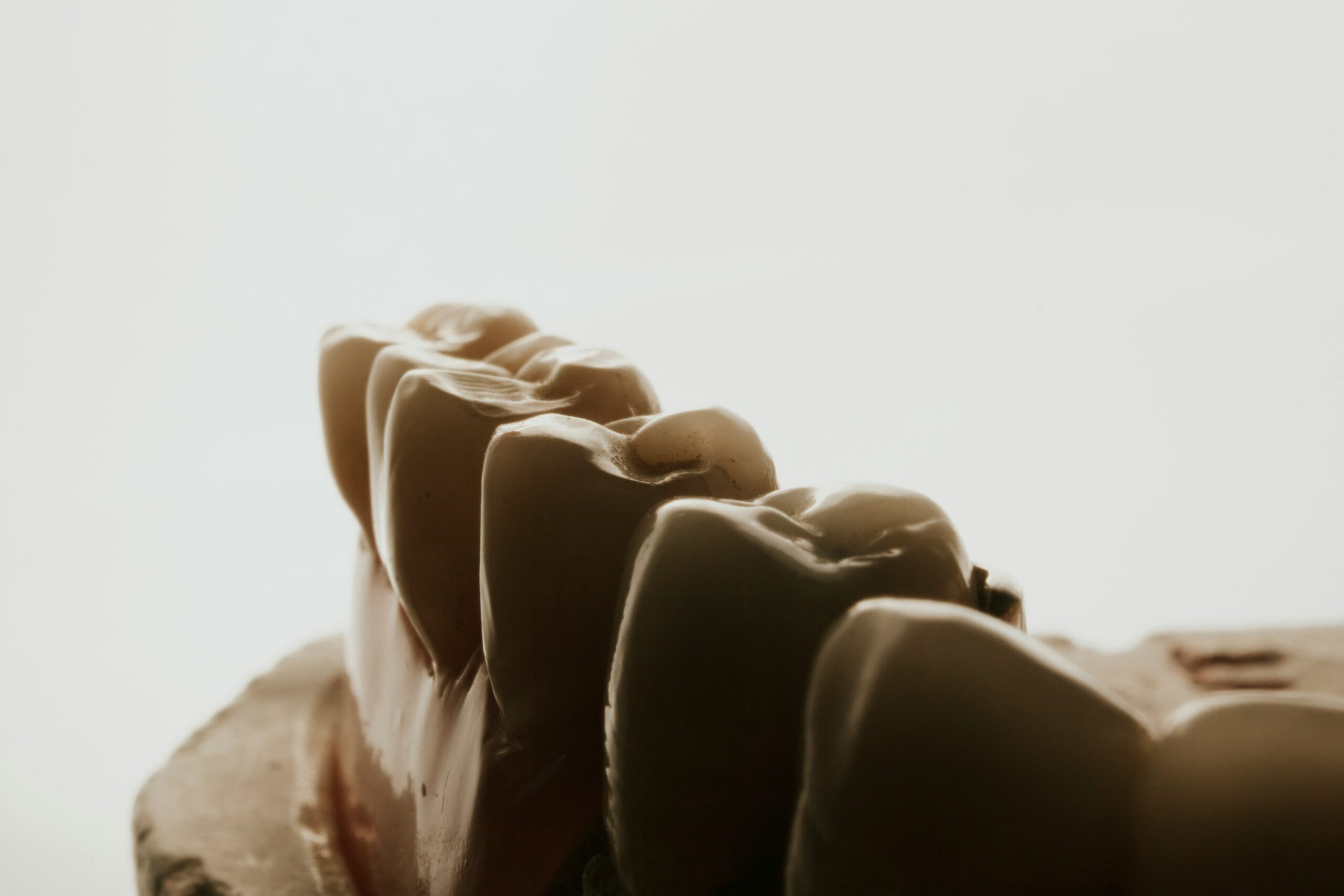
Two concerns are often raised when a tooth becomes chipped: how serious is the damage, and what will fixing it involve? The answer depends on the size and location of the chip, whether it causes pain or sensitivity, and whether the damage extends beyond the tooth’s enamel. These factors also play an important role when considering how much to fix a chipped tooth, because minor chips generally require less extensive treatment than deeper or more complicated damage.
A dentist may simply smooth a slightly chipped tooth or polish a rough edge. In other cases, composite bonding, a veneer, or a crown may be recommended. If the damage extends deeper into the tooth, additional restorative treatment may be necessary. Cleveland Clinic notes that treatment for a chipped tooth can range from no treatment for very small chips to more extensive dental work when the damage is deeper.
There is no single standard price for repairing a chipped tooth. The total cost depends largely on the type of treatment required, the severity of the damage, and the tooth’s condition. Understanding the available treatment options can therefore give you a clearer idea of **how much to fix a chipped tooth** may cost in your particular situation.
What Determines the Cost of Fixing a Chipped Tooth?
The biggest mistake is assuming that every chip requires the same procedure.
A dentist will then generally assess the tooth to see if the damage is relatively shallow and in the more peripheral part of the tooth, or if it’s more internal. Based on the circumstances, an examination, and possibly an X-ray or even two, will occur.
Several factors influence the final price:
- Size and depth of the chip
- Location of the tooth
- Whether the tooth is painful or sensitive
- Whether the tooth has a crack in addition to the chip
- Treatment selected
- Dental office and geographic location
- Insurance coverage
- Whether additional procedures are necessary
A small cosmetic chip on the edge of a front tooth can be very different from a fractured tooth that requires structural restoration.
How Much to Fix a Chipped Tooth With Bonding?
Bonding is another common method for repair of smallchips. The dentist applies tooth-colored composite resin to the tooth and shapes it as it is hardened to restore the shape and appearance of the tooth. According to the Cleveland Clinic, bonding can repair chips, and usually requires a single office visit.
The composite material that is used during bonding rather than a lab constructed restoration, making bonding a conservative form of treatment; it is appropriate if the existing structure is healthy and thechipis small.
There is no set fee, as dental bonding costs vary from one dental practice to another. The American Dental Association dental fees and payment guidance can help explain why dental fees are individual to each practice and may vary according to geography and circumstance.
Insurance also plays a role in what the patient has to pay. If the procedure is considered medically necessary, insurance may classify it differently than if it were done strictly for esthetics.
What If the Chip Is Very Small?
A tiny chip does not necessarily mean that you need an expensive restoration.
If the edge is slightly uneven but the tooth is otherwise healthy, a dentist may simply smooth or polish the area. Cleveland Clinic lists polishing as a possible treatment for small chips.
This can be especially relevant when the chip does not affect the tooth’s function or appearance significantly.
Still, it is worth having a new chip evaluated if you are unsure how it happened. A visible chip can sometimes accompany a crack or other damage that is not obvious from the surface.
How Much Does a Veneer Cost for a Chipped Tooth?
Veneer is another category of restoration. Veneers are applied to the visible surface of the tooth rather than just filling a small piece of missing tooth with composite.
Veneers are considered in certain situation where cosmetic defect in a front tooth cannot be corrected by a simple composite bond as more tooth coverage is required. Cleveland Clinic identifies dental veneers as one possible treatment for chipped teeth in appropriate cases, depending on the extent of the damage and the patient’s individual dental needs.
Comparing the cost with simple composite restoration is significantly different due to custom made restoration and the complexity of work in veneers.
It is also vital to recognize that veneer does not guarantee as the best option in every chip case. Dentist has to examine the remaining tooth structure, location and the bite force and the condition of the tooth..
When Does a Chipped Tooth Need a Crown?
Sometimes crowns are only in consideration, when tooth has so much of its structure lost and require something larger to restore it. The significant part is that the tooth does not wear any crowns only for cosmetics sake rather to protect. To evaluate fee for tooth crowns public fee schedule can provide more accurate picture although private dentist rate usually vary from such fee schedules by providing national customer rating.
The dental cost estimate to perform particular crown treatment in state’s fee schedule do not reflect an expected private dentist rate rather state Medicaid rate as per reimbursement schedule set aside specifically by state in order to cover provider’s dental work.
If doctor suggest a crown for the reason of tooth damage then ask the specific nature of this damage and check if the tooth might be treated utilizing alternative dentistry method as long as it seems feasible for the damage in question and will secure future tooth function.
Could a Chipped Tooth Need a Root Canal?
An uncomplicated chipped tooth alone is not a cause for a root canal on itself. However, problems can increase with a chipped tooth and damage to deeper tooth structure as indicated by signs. The tooth can be observed and evaluated through X-rays as needed by the dentist for depth of injury.
If a root canal and restoration become required, the amount of cost for the overall treatment could be greatly amplified.
This is why pricing information received should be viewed as treatment estimates rather than itemizing each single step along the way.
Why Dental Insurance Can Change Your Out-of-Pocket Cost
The amount a dentist charges and the amount a patient actually pays are not necessarily the same.
Dental plans can have deductibles, annual maximums, coverage percentages, exclusions, and other limitations. The ADA notes that dental benefits vary between carriers and may include restrictions such as annual maximums and other cost-containment provisions.
For example, a plan might cover a portion of an eligible restorative procedure while leaving the patient responsible for the remainder.
Insurance can also distinguish between treatments based on whether they are considered covered restorative care or primarily cosmetic treatment.
Before scheduling treatment, ask the dental office to provide:
- The recommended procedure.
- The estimated total fee.
- The expected insurance contribution.
- Your estimated out-of-pocket amount.
- Whether additional procedures may be necessary.
This makes the financial decision much clearer.
What Happens During a Chipped Tooth Evaluation?
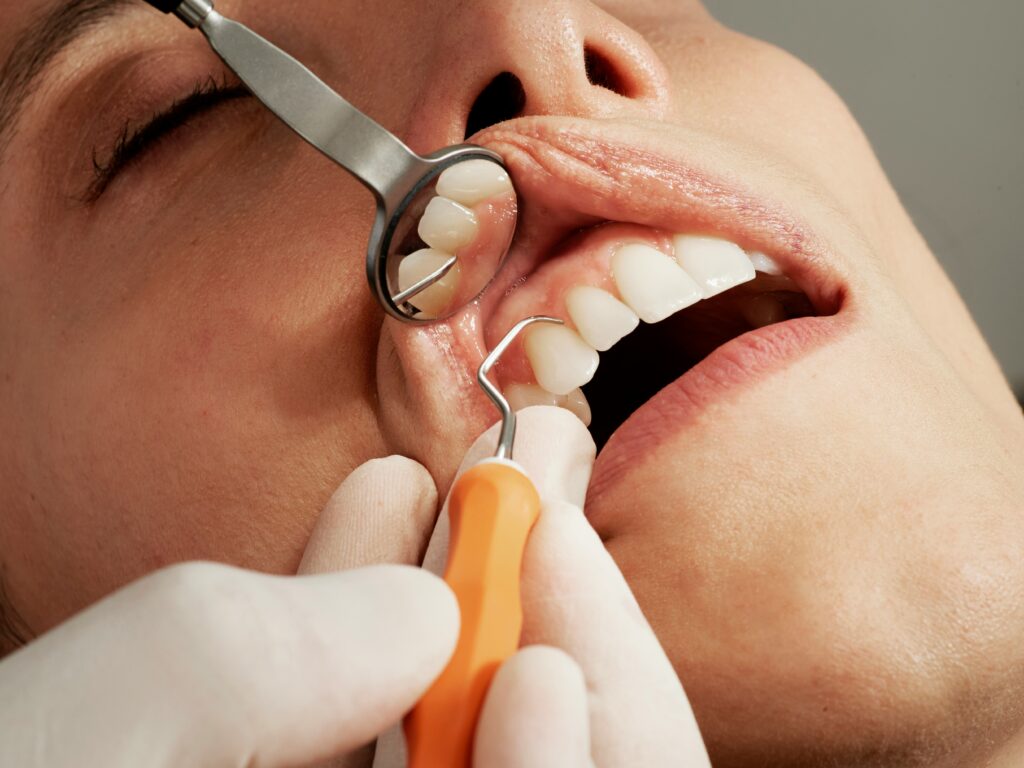
A dental evaluation usually starts with an examination of the damaged tooth.
The dentist may look at:
- The size of the chip
- The position of the missing tooth structure
- The condition of nearby teeth
- Signs of cracking
- Tooth sensitivity
- Your bite
- The surrounding gums
Depending on the injury, X-rays may be recommended. Cleveland Clinic specifically notes that X-rays may be needed depending on the severity of the damage.
This evaluation matters because the cheapest treatment is not always the most appropriate treatment. A superficial chip may need only smoothing, while a deeper injury may require restoration designed to protect the tooth.
Is It Cheaper to Fix a Chipped Tooth Immediately?
Maybe not all the time, but seeing a problem early can avert later complications. The chipped tooth can be prone to further wear, the person may find themselves chewing incorrectly around the chipped or rough edge. With a deeper chip or damage to the tooth may worsen while waiting.
What action to take is based on the nature of the injury and not the cost of the initial repair.
Prompt dental assessment is needed for chips that: hurt, are very sensitive, visually cracked or bleeding around the injury, or following major trauma.
What Is the Cheapest Way to Fix a Chipped Tooth?
You won’t get a “one-size-fits-all” answer for the cheapest treatment. A smoothing for an extremely slight chip may all that’s need. An essay of bonding might be a bit of traditional therapy to address an appearance question mark.
If there are further significant changes to the tooth shape or strength, a veneer, dental crown, or other restoration may be needed.
One can do well by inquiring of the dental practitioner whether there is more than one well balanced professional alternative as well as the pros as well as disadvantages of each one if expense management is a concern. The American Dental Association talks about situations in which dental plans may enforce a “least costly substitute treatment” stipulations if there’s extra compared to one option, all in all specialist accepted, for your tooth repair work. However, nevertheless what your plan may mandate, cheapest is not necessarily ideal for each person.
How to Avoid Paying for the Wrong Treatment
Cost should be considered alongside durability, function, appearance, and the health of the tooth, while broader dental care and oral health tips can help support long-term tooth health.
Before agreeing to treatment, ask:
What exactly is damaged?
Understanding the diagnosis helps you understand why a particular restoration is being recommended.
What are the available treatment options?
There may be more than one appropriate way to restore the tooth.
What happens if I wait?
Ask whether delaying treatment creates a meaningful risk of further damage.
Is the treatment primarily cosmetic or restorative?
This distinction can affect insurance coverage.
What is the total expected cost?
Ask whether examination, X-rays, restoration, and follow-up visits are included.
These questions can turn an unclear estimate into a much more useful decision.
What Should You Avoid Doing With a Chipped Tooth?
Don’t try to fix a tooth yourself as an alternative to seeing a dentist.
Do not file the tooth down yourself or attempt to glue broken pieces back on using household glues or by permanently affixing them without being evaluated by a dentist as this may affect whether or not the pieces can be utilized during treatment and may cause further damage to the tooth or tissue.
If you have recovered the piece of the broken tooth after an accident save it in saliva and carry it with you when you see the dentist to allow for examination to determine if the fragment may be used to restore the tooth.
Temporary measures are not suitable if the tooth is painfully injured, and it needs to be seen by a professional.
When Is a Chipped Tooth an Urgent Dental Problem?
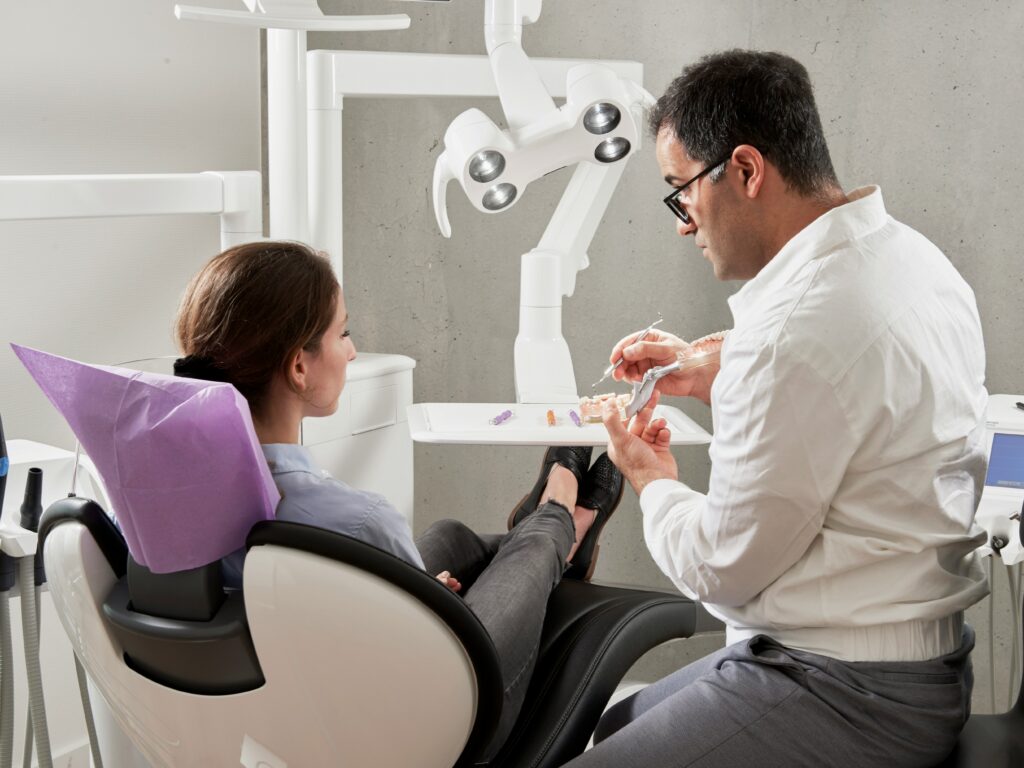
Not every chipped tooth is an emergency, but certain symptoms deserve prompt professional attention.
Seek timely dental care if you have:
- Significant or worsening pain
- Strong sensitivity to hot or cold
- A large portion of the tooth missing
- A visible crack extending through the tooth
- Bleeding or injury to surrounding tissues
- Facial trauma associated with the tooth injury
- Swelling or other concerning symptoms
The reason is simple: the visible chip may not tell the whole story.
A dentist can determine whether the injury is limited to the outer tooth structure or involves deeper tissues by evaluating the symptoms and damage, as explained in this chipped tooth treatment guide.
How to Keep the Cost of Future Dental Repairs Lower
It can be much more valuable to also be preventive of further damage rather than just thinking about the initial repair.
Avoid using your teeth as makeshift tools. Do not use them to tear open packages, bite through objects, or grip anything unusually hard, as these habits can place excessive pressure on the teeth and increase the risk of chips, cracks, or other damage. Be conservative in biting into extremely hard food if your dentist has indicated a tooth has become weak. See your dentist on a routine basis so issues developing into a larger filling can be found and treated.
If you do clench and grind teeth (often called bruism). Discuss this with your dentist as this adds very high forces on teeth over time, this can add up to damage or compromise the restoration over time.
In summary, the big picture thinking here isn’t just find the cheapest first cost. It is providing the adequate treatment and protecting what tooth structure there is
Final Takeaway
So, how much to fix a chipped tooth depends on what actually happened to the tooth. A tiny chip may require only smoothing, while a more noticeable defect may be repaired with composite bonding. Veneers or crowns may be considered when greater coverage or structural restoration is needed.
There really is no nationwide cost, dental prices will range from provider to provider as well as the location, complexity of services, and the patient’s insurance policies. The ADA even states thatDental fees are decided on the basis of the individual dental provider and not on a nationwide dental fee schedule… The biggest advantage to looking for the lowest cost possible: if treatment is actually recommended then cost will be the smallest factor of consideration after the treatment needed is determined..
Frequently Asked Questions
1. How much does it cost to repair a chipped tooth?
The price cannot be said definitively because everything depends on the chosen procedure: polishing, bonding, veneers, crown installation, or other methods. It also depends on the dentist’s qualification, the region where the clinic is located, the presence of insurance, and the complexity of the case.
2. Is bonding a suitable option for repairing a small chip?
It is possible if the structure of the tooth allows it since bonding is usually performed using composite resin to fill gaps and cracks. The dentist will have to decide independently whether to use this method based on the integrity of the affected part.
3. Can a chipped tooth just be polished?
It depends on the size of the chip, which the dentist will have to determine during the examination. In some cases, smoothing the rough edges of the chip may be the only measure needed to restore the appearance of the tooth.
4. Is dental insurance covering chipped tooth repair?
Insurance policyholders must study the terms and conditions of their contracts carefully since restorative treatments may be subject to annual limits, deductibles, and restrictions. Moreover, some dental procedures may not be listed in the contract at all.
5. Is a chipped tooth considered an emergency case?
When the chip is minor and does not affect the overall health of the tooth, emergency intervention will not be necessary. However, if the chip is large, the dentist will have to examine the site of injury to assess the situation.
6. Is it necessary to repair a chipped tooth in the first place?
It depends on why the chip occurred and whether there are signs of damage beyond the integrity of the enamel. Even if the injury does not seem serious, the dentist should be consulted to prevent subsequent problems.
7. Is it possible to fix a chipped tooth at home?
The damaged part of the tooth should only be removed by a dentist. Do not try to file it yourself or use glue or other household materials to adhere the separated piece back to its place. This will only cause more damage and complicate the dentist’s work.+