Although what is screen printing? technology has rapidly advanced over the years, several time-honored printing techniques still play a vital role thanks to their durability, adaptability, and unique output. One of the best-known and often used printing technologies of today, is screen printing. What exactly is screen printing, however, and why is it still one of the most favored methods of getting high-quality printed artwork?
Screen printing is a process whereby ink is pressed through a mesh screen in the design that is to be printed, using controlled pressure.
The stencil method of printing ensures crisp lines, vivid colors, and long-lasting prints for a variety of surfaces, ranging from textile and paper products to plastic, metal, glass and even wood. Screen printing is ideal for promotional products, textiles, packaging, graphics for architectural design, artistic prints, and other products that require custom product branding with long-lasting results. Unlike more direct-digital printing technologies where computer signals are transmitted directly to substrate material, the process of screen printing involves a set-up, that provides the user a greater amount of control over the density, texture, as well as the opacity of the applied inks, for a product that can hold up through a lot of repeated use and even abuse.
Understanding the basics of what is screen printing techniques, equipment, materials, and applications helps individuals and businesses make better decisions when choosing the right printing solution for their needs.
What Readers Need to Know First About Screen Printing
Let’s look at the basics of this technique before we start with the technical stuff. Screen printing is a process where you force ink onto a particular surface through a fine mesh screen. Some parts of the screen let the ink pass through, while others do not, creating the image that’s desired.
While this sounds like a simple job, professional screen printing shops employ strict procedures for ink color management, proper planning and equipment.
All of these impact the final output, including factors such as ink composition, material to be printed on, type of screen used and the drying technique. In case you didn’t know it yet, screen printing is not only confined to custom t-shirts but is also a prevalent technology for industrial, manufacturing, advertising, packaging, and electronics industries. It’s unique as it has the ability to print on almost any surface. Besides all these benefits, this printing technology is quite efficient in cases where medium to large-scale print runs are involved.
Understanding the Fundamentals of What is Screen Printing
How Does Screen Printing Work?
The Printing Process Screen printing is an important technique composed of several significant steps that collaborate in a single print. It starts with the development of the design. Any digital image or graphics is first transformed into an artistic design, which helps control where the ink can and can’t show.
The mesh screen gets coated with light-sensitive material known as ’emulsion.’
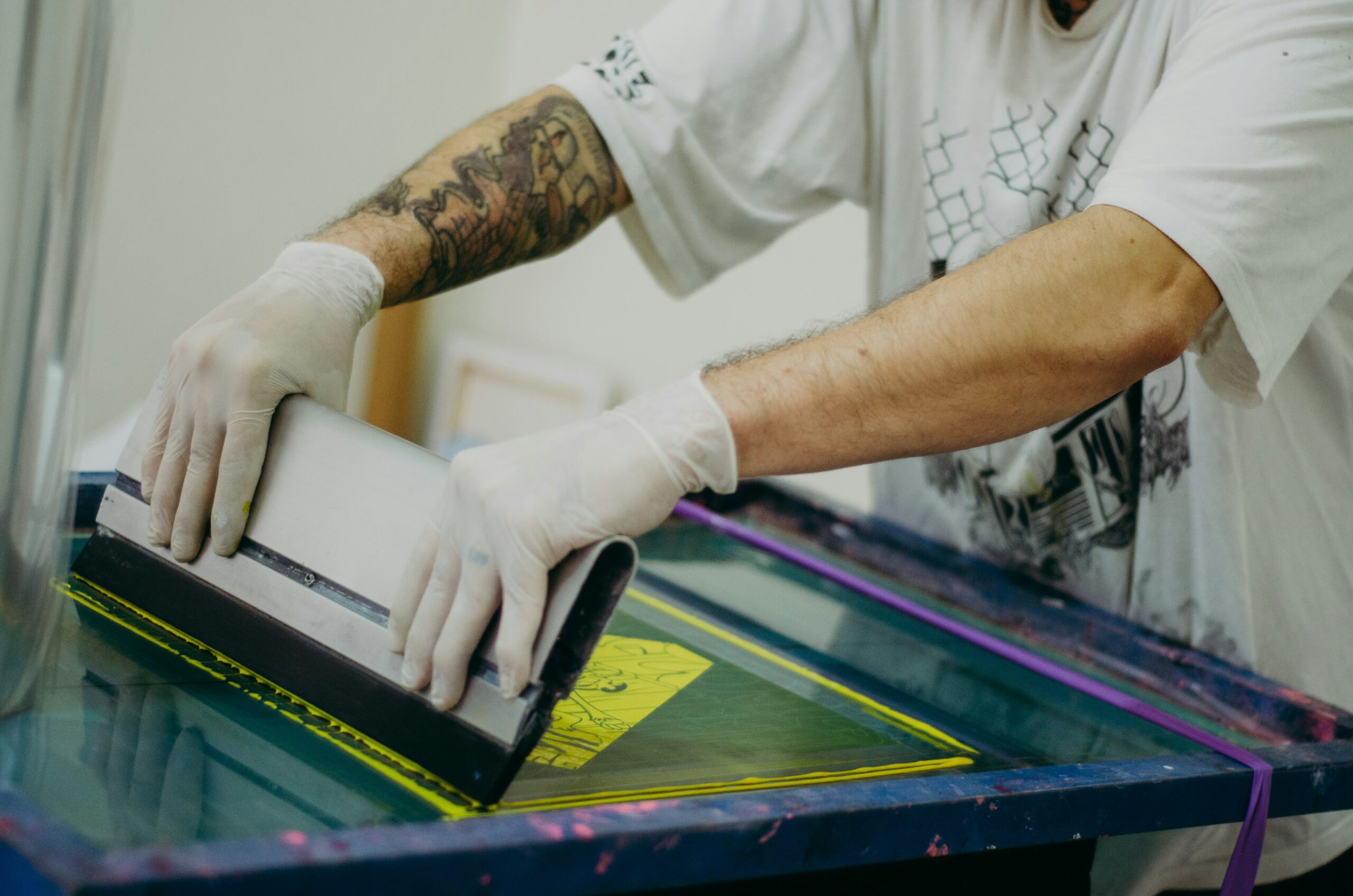
The design then passes to the screen by exposing it to light. The part that is supposed to get the ink would then open, and the area that should be clean would be closed. During the actual printing process, the screen comes out above the object that needs to be imprinted. Ink is spread on top of the screen, and then a squeegee is pressed on top and pushed against it.
This pressure forces ink into the areas that should get ink.
When printing finishes, the ink needs to be properly dried, otherwise it’s washed off or rubbed off. Professional printers use this method multiple times for multi-color images, because each of color has a separate mesh and gets applied differently.
The Main Components Used in Screen Printing
A successful screen printing project depends on several essential components. Each part plays a specific role in achieving accurate and durable results.
Screen and Mesh
The screen is the beginning of all printing procedures. Historically the screen was created from silk material and this is exactly why the actual method used to be identified as silk screen printing. Nowadays the majority experienced printing businesses tend to utilize manufactured elements like polyester, because they are much more robust and consistent.
Stencils and Emulsion
What the Stencil Will Display What The Final Print Is Screen printing technology now uses a photo-sensitive coating called emulsion, which solidifies under the heat and light to form the stencil. If you want to transfer a detailed image or graphic to the final output, you must choose the right stencil because this layer of emulsion decides how accurate the transfer can be if the logo is too complex or involves fine text and realistic portraits.
Printing Ink
Different materials require different types of ink. Common options include:
- Water-based ink
- Plastisol ink
- Solvent-based ink
- UV-curable ink
For example, custom apparel printing often uses specialized textile inks designed to remain flexible and comfortable on clothing. Industrial printing may require stronger inks that resist chemicals, heat, or outdoor conditions.
Squeegee
Control the flow of ink using the squeegee Adjust your ink application pressure, angle and speed in relation to your ink and material. Expert printers will customize each factor to meet the specific demands of your print and material..
Types of Screen Printing Methods
Although the basic concept remains the same, several variations of screen printing exist to meet different production needs.
Manual Screen Printing
Manual Screen Printing This process is often practiced by small businesses, artists, and freelance makers. In this method, the printer holds the screen, loads it with ink, and prints by hand. This form offers increased creativity at the cost of increased time and physical work.
Automatic Screen Printing
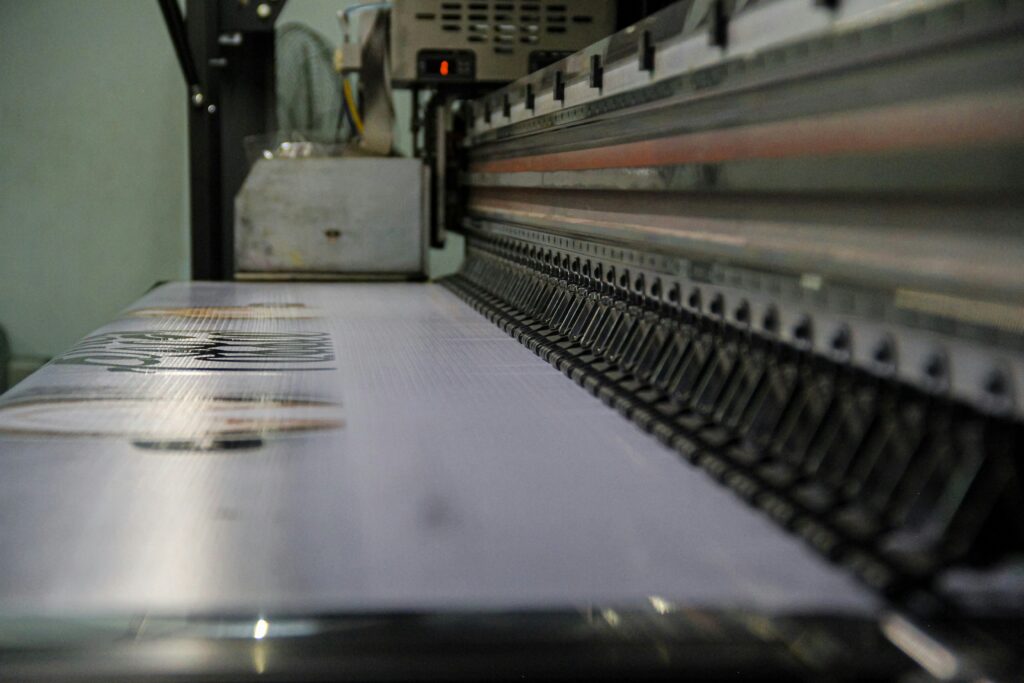
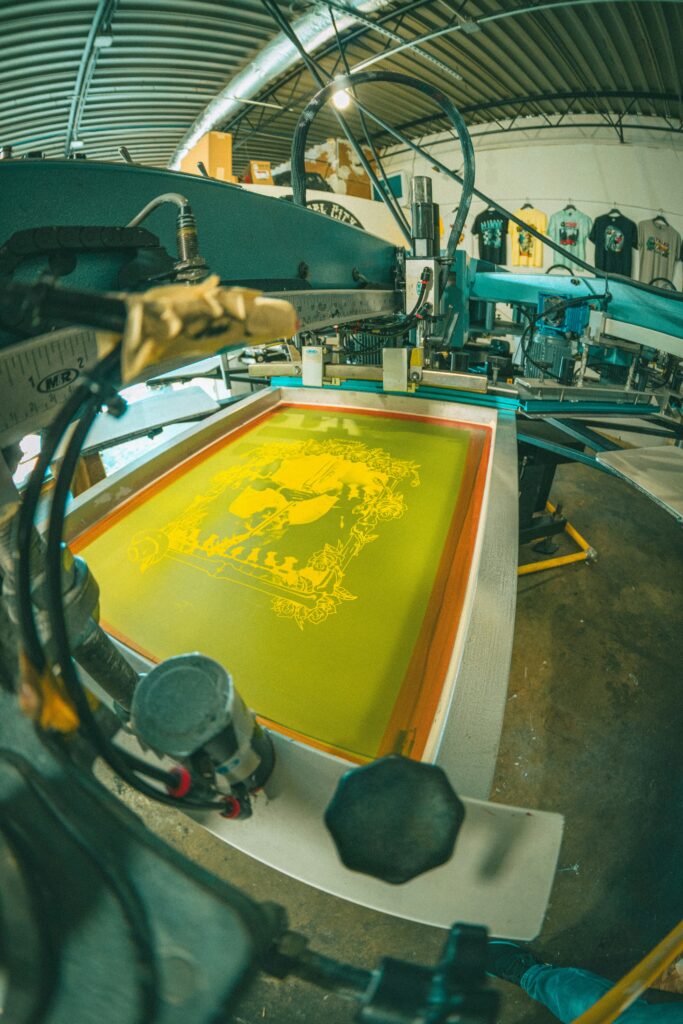
An automatic screen printer machine employs high-tech equipment to get the job done faster and more uniform than manually possible. Commercial printing companies often turn to these automated machines when they need to mass produce large orders of items. An automatic screen printer machine makes things efficient and provides more consistency from one item to the next.
Rotary Screen Printing
Rotary screen printing works withcylindrical screensthat rotate continuously as printing is performed. The printing method can be found frequently in industrial printing jobs for mass quantities of items or goods.
Digital Hybrid Screen Printing
Certain companies in today’s industry blend digital and old school printing techniques. Through this combination, printing professionals can craft more intricate images while also preserving the sturdiness as well as textural quality of the screen printing method.
Why Screen Printing Remains Popular
Why Screen Printing Is Still Around Screen printing still continues to remain a very common printing technique for various reasons despite advancement in digital printing techniques:DurabilityScreen printing ink usually leaves a heavier film than most other digital printing techniques. This means that printing applied via screen printing will last longer, especially on clothing and some outdoor merchandise. Quality of colourScreen printing is capable of producing bright, solid and opaque colour prints that will stand out clearly.
Metallic finishes, textures and even special effect prints such as the glow in the dark effect are available.
VersatilityDepending on the printer, different printing technologies may have restrictions when printing on different types of substrates, i.e., on plastic, textile, wood, ceramic, metal etc. Whereas with screen printing one could apply on most substrates. PriceIf you are producing a very large number of printed merchandise, it’s often cheaper to go for screen printing, since costs will reduce as volume increases.
Expert Insights and Industry Knowledge
The screen printing industry is always changing but remains a mix of hand-crafted work combined with technology. The original principles are mostly the same but modern screen printers are employing improved inks, machines, and automation to produce extremely accurate and efficient screen prints.
Industry veterans have observed that screen printed goods depend more on careful control at each step than the specific print method used. This involves preparing the artwork accurately, choosing the right screen, using appropriate ink and correct curing of the ink.
Another industry observation is the combination of the technical and the artistic, needed for any successful screen printing process. You need to know how materials accept the ink, how the inks work with each other, and how such environmental conditions as temperature and humidity affect drying.
For example, to print onto fabric, like cotton for example, is a totally different process than printing onto glass or metal. Fabric accepts ink differently to the metals that will only absorb a particular type of ink after certain surface preparation. That is why specialist screen printing companies usually stick to printing onto specific materials, or purchase machinery that can cater to more than one substrate type.
Furthermore, screen printing is becoming much more environmentally friendly than it used to be with increased emphasis on water based inks and energy saving drying processes and using as many biodegradable materials as possible.
Important Considerations and Best Practices for Quality Screen Printing
Proper Practices for Screen Printing Professional results in screen printing aren’t obtained without considering important steps to be taken in any screen printing project whether a small business logo, personal custom t-shirts or an industrial product component.
Choosing the Right Material
The printing surface plays a major role in the final result. Different materials require different approaches.
For example:
- Cotton fabrics generally work well with textile inks.
- Polyester materials may require specialized inks to prevent color issues.
- Glass and metal surfaces often need special preparation for proper ink adhesion.
- Plastic products may require specific coatings or curing methods.
Understanding the relationship between ink and material is one of the most important skills in professional printing.
Preparing High-Quality Artwork
The quality of your original design impacts the printed output. Low resolution photos, inappropriate colors, and inadequately set up files will inevitably lead to problems in production.
Designers work in vector format as vector images scale up clearly. They deliver clear lines and the appropriate colors for a more precise outcome.
Selecting Appropriate Ink
The ink you select is determined by your intended use for your product. For example; garment applications will require the ink to be pliable and durable, industrial application will require the product to have resistance from elements like heat, chemicals and the outdoor environment. Applying the wrong kind of ink could cause it to fade, crack, peel and fall off.
Proper Curing and Drying
The curing step is the most important of the whole process. Even the perfect print will fail if the ink doesn’t dry properly. Professional printers make sure the ink has the right connection with the substrate by using an array of professional drying systems like conveyor dryers, etc.
Real-Life Applications of Screen Printing
Screen printing is widely used across industries because it is versatile and produces long-lasting designs.
Custom Clothing and Fashion
What else can be made with Screen Printing? In apparel Decoration; many businesses, school, sports teams, fashion brands etc are using this method of print, custom printed t-shirts, custom hoodie, team wears, company logos, etc are popular ways of using screen printing. As people love to wear designs on there clothing, thus screen printing T-shirts printing can bring the quality and attractive design that do not faded after washes many times. In fact this is best for Small clothing brands as it helps in building a name and unique design.
Advertising and Promotional Products
Companies frequently use screen printing for marketing materials such as:
- Branded bags
- Promotional clothing
- Event merchandise
- Corporate gifts
- Product packaging
Because printed designs can include logos, slogans, and brand colors, screen printing plays an important role in business brand identity across different marketing materials.
Industrial Manufacturing
Screen printing can also be used for product manufacturing outside of the usual range of goods you see on the shelf. Many manufacturers employ screen printing processes for labeling their products, making controls and control panels, manufacturing components, warning signs, and custom design surfaces. For instance, electronic manufacturers often use specialized printing processes to lay down electrical conductive traces on circuit boards and many other components.
Art and Creative Projects
Artisans love to use screenprinting as a method of expression because you have a ton of control over texture and process. Lots of independent artists sell limited edition screen printed posters, art, and handmade designs. Screen printing is a super cool art medium to play with, layer by layer, texture by texture, color by color.
Common Problems in Screen Printing and How to Avoid Them
Even experienced printers may encounter challenges during production. Understanding common issues helps improve results.
Ink Smudging or Blurring
Smudging usually occurs because of excessive ink, incorrect pressure, or improper drying. Maintaining the correct balance between ink amount and printing pressure helps prevent this problem.
Uneven Color Coverage
Uneven prints may happen when the screen, ink, or printing pressure is not properly adjusted. Regular equipment maintenance and careful preparation can improve consistency.
Poor Ink Adhesion
If ink does not properly stick to the surface, the issue may be related to incorrect ink selection, surface contamination, or insufficient curing.
Cleaning materials before printing and using suitable inks can significantly improve durability.
Misaligned Designs
Multi-color prints require accurate alignment between screens. Even small positioning errors can affect the final appearance.
Professional printers use registration systems to ensure each color layer matches correctly.
Frequently Asked Questions About Screen Printing
What is screen printing mainly used for?
Screen printing is mainly the process of permanently applying graphics to textiles, promotional items, containers, industrial materials, and artwork It is also versatile as it works with an array of surfaces.
Is screen printing better than digital printing?
Neither way of decorating a mug is really “best,” as both methods have advantages. Screen printing can sometimes be a better choice for large orders of mugs with solid colors or durable images. Digital printing is more often the go-to choice for short print runs or when images require a lot of detail.
How long does screen printing last?
If it’s made well, a screen print may last for a long time. However, it largely depends on a range of elements including ink choice, material, washing methods, and exposure to environment.
Can screen printing be done at home?
Yes, simple screen printing is something that can be done at home using very basic materials. But for professional or professional-level printing results, specialized materials, tools and practice are needed.
Why is screen printing expensive for small orders?
During screen set up you need your screen and material prepared and set up. Small runs will result in the set up process cost driving the price of individual units high, however on large runs the set up cost will usually fall.
Key Takeaways
Screen printing is a durable and versatile printing method that has endured decades of innovation due to its resilience, malleability, and output of vivid prints. To print an item using screen printing, a stencil is used to direct ink through a fine screen. The resulting design is transferred onto a surface.
Though other modern techniques of printing exist, screen printing remains popular across various industries, including fashion, manufacturing, advertising and arts.
Choosing proper screens, inks and other materials is key to using screen printing, and understanding the different components involved in this process will help in getting the best possible printing results, regardless of your purpose. Whether it’s for custom t-shirts or for the design and manufacturing of durable promotional products and beyond, screen printing provides an effective way to make eye-catching items that are made to last.
Conclusion
In essence screen printing truly bridges the best of time-honored skill and the efficiencies of modern production. Even as the world of print has changed in many ways the inherent ability to deliver strong colors, lasting images and one-of-a-kind texture have enabled screen printing to endure.
From small creative projects to large-scale manufacturing operations, this printing method continues to offer valuable advantages. By understanding what is screen printing, how the process works, and where it is used, individuals and businesses can make informed decisions when selecting a printing solution.
With how rapidly we are advancing technology screen printing will certainly be on the rise and still stand as one of the most reliable forms of printing.