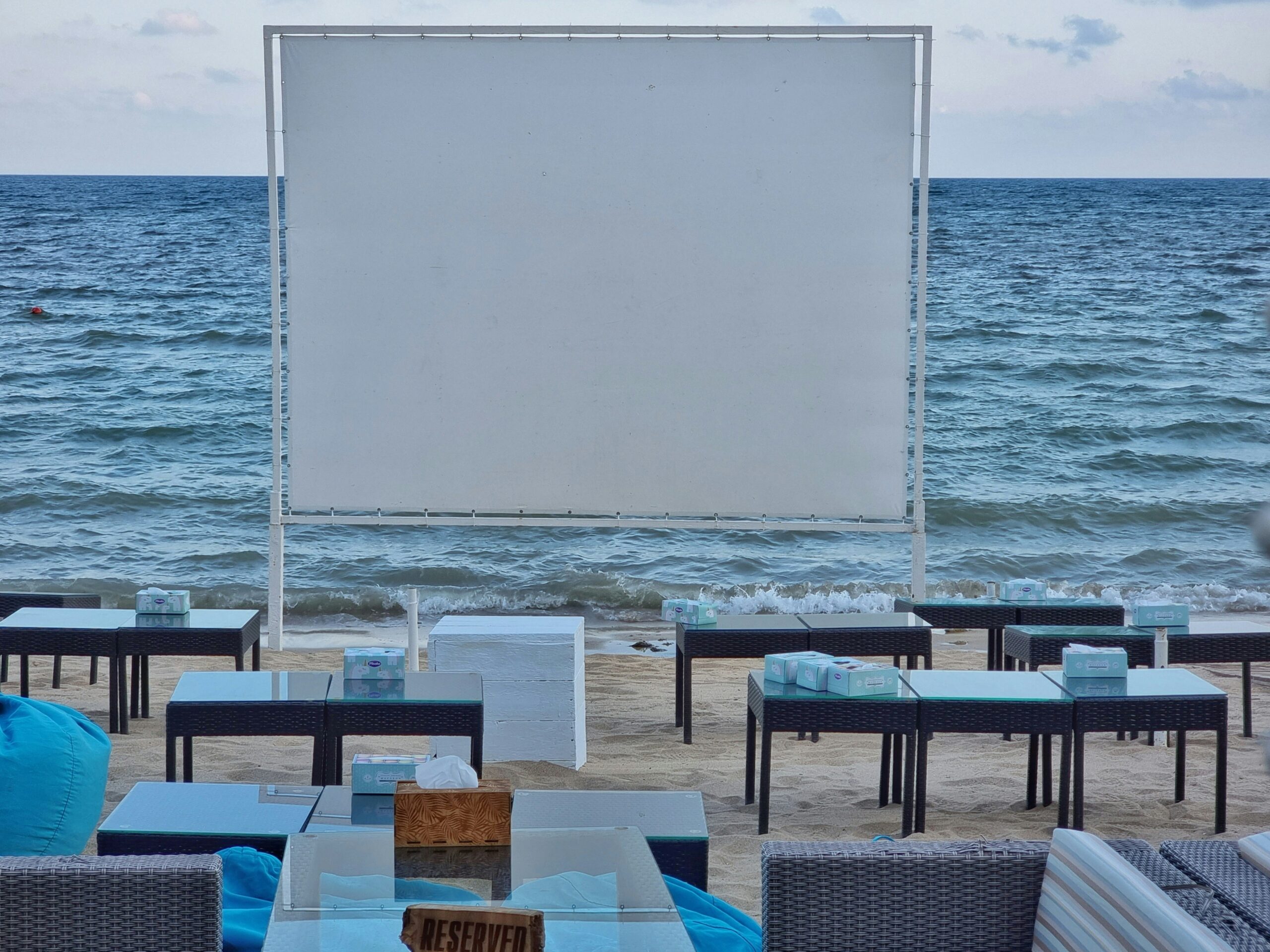
Designing an outdoor entertainment area has become a popular project for many homeowners, movie lovers, and event planners. Whether it is a relaxing movie night under the stars, a sports viewing party with friends, or a professional outdoor presentation, an outdoor projector screen plays a crucial role in delivering a clear and enjoyable viewing experience.
It’s a common assumption that you can use any big white space as your projector screen; however, your picture quality is based on a variety of factors, including the quality of your screen material, size, position, brightness, and surrounding atmosphere. The proper screen will create a sharper picture and a richer color display to make sure you can fully immerse yourself in your favorite entertainment.
Less suitable surfaces can cause warped images, soft focus, and uneven color across the projection. Whether you are using an inflatable screen, a portable or fixed frame projection screen, or even something a little more elaborate such as a roll down option, home entertainment and home theaters are becoming a thing of the past; and, the age of the backyard home theater has already arrived.
This comprehensive guide explains everything you need to know about selecting and using an outdoor movie screen, including important features, different screen types, installation considerations, and expert insights to help you build a successful outdoor theater setup.
What Readers Need to Know First
Before purchasing an outdoor projector screen, it is important to understand that the screen itself is only one part of the entire projection system. Of course, the quality of the final picture is related to how the screen interacts with the projector, the amount of light available, the viewing distance and the viewing environment.
Even if you purchase a high-end projector, it might not achieve a good enough picture when coupled with a cheap screen, just like the most expensive screen is going to under perform if your projector does not emit enough lumens to overcome the sun! In the case of outdoor use, there is another variable that most of us do not consider: the room. There is not a fully controllable light scenario outside as is possible in a movie theater:
- Natural sunlight
- Wind conditions
- Moisture and humidity
- Uneven surfaces
- Ambient lighting from nearby buildings or streets
For this reason, choosing a dedicated backyard projector screen designed for outdoor use is usually a better option than using indoor alternatives.
The first step is determining how you plan to use the screen. A casual family movie night requires different features compared with a large outdoor event or business presentation.
Understanding the Fundamentals of an Outdoor Projector Screen
An outdoor projector screen is a specially designed surface that reflects projected images while maintaining brightness, contrast, and color quality in open-air environments.
Instead of just being like regular walls, an outdoor screen uses a material to make light bounce toward you, so you can see a crisp and clear picture. Several performance issues are based on the outdoor screen’s technical aspects.
Screen Material and Image Quality
Screen material plays a major role in viewing performance, especially when you understand projector screen materials and how they affect brightness, contrast, and color accuracy. The screen material affects contrast ratios, display angles, viewing range, and how bright you see your image. Many materials can be found for projectors such as:
Matte White Screen Material
Matte white is one of the most widely used options because it provides balanced brightness and accurate colors.
Benefits include:
- Wide viewing angles
- Natural color reproduction
- Compatibility with many projectors
- Good performance in controlled lighting
This type of material works well for backyard movie nights where viewers may sit in different positions.
Gray Screen Material
Gray projector screens are designed to improve contrast, especially in environments where controlling light is difficult.
They can help produce:
- Deeper blacks
- Better contrast
- Improved image depth
A gray screen may be useful when using an outdoor projector in areas with some ambient lighting.
High-Gain Screen Material
High-gain screens reflect more light toward viewers, increasing brightness.
They can be helpful when:
- The projector has limited brightness
- The screen is large
- Outdoor lighting conditions are challenging
However, higher gain may reduce viewing angles, meaning people sitting far to the side may experience reduced image quality.
Types of Outdoor Projector Screens
The best outdoor projector screen depends on your space, budget, frequency of use, and installation preferences. Different designs provide different advantages.
Portable Outdoor Projector Screens
Portable screens are popular among homeowners because they are easy to transport and store.
They are suitable for:
- Occasional movie nights
- Camping trips
- Temporary events
- Flexible outdoor setups
This means most models have some sort of easily deployed frame and/or stand. The main selling point of portable projectors screens are the ease and convenience they offer. They provide an outdoor cinema on demand and can easily be packed away once the movie ends. Though, this might not stand up too well in strong wind.
Inflatable Outdoor Movie Screens
Inflatable screens are commonly used for large backyard events and community gatherings. These screens use a built-in blower to maintain their structure.
Advantages include:
- Large viewing areas
- Easy visibility for groups
- Professional outdoor cinema appearance
An inflatable outdoor movie screen can create an impressive entertainment experience, but it requires continuous power for the blower and enough storage space when not in use.
Fixed Frame Outdoor Screens
Fixed-frame screens provide a more permanent solution. They are designed for users who regularly host outdoor entertainment.
These screens usually offer:
- Excellent screen tension
- Professional appearance
- Consistent image quality
- Long-term durability
A fixed-frame outdoor theater screen is ideal for dedicated entertainment areas where the installation location remains unchanged.
Retractable Outdoor Screens
Retractable models combine convenience with a cleaner appearance. They can be rolled away when not being used, protecting the screen from weather exposure.
These are suitable for:
- Patios
- Outdoor living areas
- Covered entertainment spaces
A motorized outdoor projector screen can also be integrated into smart home systems for easier operation.
Choosing the Correct Screen Size
Outdoor Theater – Screen Size One of the most significant choices in putting together a home theater under the stars is determining the right size for your screen. Larger is not necessarily the best option because your choice will be dependent on your projector’s brightness, the distance at which viewers will be watching the screen, and the amount of space you have available. In fact, a screen that’s too big may offer a dim, washed-out, and uninspiring image if your projector lacks the power to light it sufficiently.
Important factors include:
Viewing Distance
The distance between viewers and the screen affects how large the display should be.
For example:
- Smaller spaces may work well with a 100-inch screen.
- Larger backyards may benefit from 120-inch, 150-inch, or larger screens.
The goal is to provide comfortable viewing without forcing viewers to move their heads excessively.
Projector Brightness
Bigger screens necessitate a more powerful projector Outdoor projectors typically require higher lumen output than indoor projector models because they are competing with the existing natural light around them. HigherANSI lumensis a typical projector spec when dealing with largeroutdoor screen set ups.
Aspect Ratio
Most modern movies and streaming content use a widescreen format.
Common aspect ratios include:
- 16:9 for movies, streaming, and gaming
- 16:10 for presentations
- 4:3 for older content
Choosing the correct aspect ratio prevents unused screen space and improves the overall viewing experience.
Creating the Ideal Outdoor Theater Setup
Choosing the right outdoor projector screen is an important step, but the overall entertainment experience depends on how all components work together.Outdoor theatrical production will require the careful consideration of projector,screen position, audio setup, lighting conditions and the weather environment around you. Most of beginner may put their priority only on screen dimension but it does not occur to most of outdoor movie viewer that viewing at outdoor is not the same as the home theatre. The environment at outdoor environment creates obstacle and requires more effort to render a bright and clear image.
Matching the Projector With Your Outdoor Screen
The relationship between the projector and screen determines the final image quality. A premium outdoor movie screen cannot compensate for a projector that lacks brightness or resolution.
Before selecting a screen, consider these projector specifications:
Brightness Level
If using it in a bright area like outdoors then you’ll usually need a much brighter projector. When outdoors there’s more ambient light, as opposed to a dark indoor room. ANSI lumens is how brightness is quantified, and higher lumens is better in outdoor use.
For example:
- Low-light backyard areas may work with moderate brightness projectors.
- Spaces with nearby lights or early evening use may require a brighter projector.
- Large outdoor displays typically need powerful projectors for consistent image quality.
A common mistake is buying an extremely large screen without considering whether the projector can properly illuminate it.
Resolution Quality
Resolution affects image sharpness and detail.
Modern outdoor entertainment systems commonly use:
- 1080p Full HD projectors
- 4K UHD projectors
A higher resolution will be much more evident on the larger size of the screen. What might look “just okay” on a small outdoor movie screen might appear choppy or “pixellated” on an outdoor screen sized to hold the largest crowds.
Outdoor Lighting Conditions and Screen Performance
Lighting is one of the biggest challenges when using a projector outdoors. Unlike indoor environments, outdoor spaces are affected by natural and artificial light sources.
For the best results:
- Start movies after sunset when possible.
- Avoid placing the screen directly near streetlights.
- Position viewers away from bright background lighting.
- Choose screen materials designed for outdoor viewing.
A tough outdoor projector screen with the right kind of gain property will have a better time preserving image quality in imperfect outdoor lighting conditions. Unfortunately, no screen can really win against direct, brilliant sunshine. Outdoor projectors thrive in darkness.
Installation Options for Outdoor Projector Screens
The installation method depends on whether you want a temporary entertainment setup or a permanent outdoor cinema.
Temporary Setup Installation
Portable screens are ideal for users who want flexibility.
A temporary setup usually involves:
- Unfolding or assembling the screen frame
- Connecting the projector
- Arranging seating
- Setting up speakers
This approach works well for occasional events because everything can be stored after use.
Permanent Outdoor Theater Installation
A permanent setup requires more planning but provides better convenience.
Important considerations include:
- Stable mounting structure
- Protection from weather
- Proper electrical access
- Cable management
- Safe equipment placement
A permanent backyard projector screen installation may include a dedicated entertainment area with outdoor seating, lighting, and integrated audio equipment.
Weather Protection and Durability Considerations
There are certain environmental obstacles and conditions that your electronics for the outdoors don’t encounter, or at least not to the extent of your indoors components. Even if you invest in one of the most durable outdoor TV screens available, it will still need occasional care and upkeep
Important durability factors include:
Water Resistance
A screen labeled for outdoor use should be designed to handle occasional moisture exposure. However, most projector screens are not intended to remain outside permanently during heavy rain.
Water-resistant materials help protect against:
- Light moisture
- Morning dew
- Humidity
They do not necessarily mean the screen is completely waterproof.
Wind Resistance
Wind is one of the biggest concerns for outdoor screens.
Large screens can act like sails, creating stress on frames and mounting systems.
To improve stability:
- Use proper anchors.
- Secure portable frames.
- Avoid setup during strong winds.
- Store the screen during severe weather.
Inflatable screens may require continuous operation and secure positioning to prevent movement.
Storage and Maintenance
Proper maintenance extends the lifespan of an outdoor projection screen.
Recommended practices include:
- Cleaning dust and debris regularly.
- Folding or rolling the screen carefully.
- Storing equipment in a dry location.
- Avoiding sharp objects that may damage the surface.
- Following manufacturer cleaning instructions.
A quality screen can last many years when maintained correctly.
Expert Insights: Why Screen Quality Matters More Outdoors
Industry professionals often emphasize that outdoor projection is more challenging than indoor projection because the environment is unpredictable.
A professional-looking outdoor theater depends on balance between:
- Screen size
- Projector brightness
- Screen material
- Viewing distance
- Ambient light control
A common mistake is to overspend and buy the biggest screen possible. However, professional advisors tend to advise choosing a screen that complements the size and features of your projector. For instance, a slightly smaller screen with great bright and contrast ratio may result in a better viewer experience than an enormous one that offers a rather muted projection.
Furthermore, the condition of the screen tension needs to be kept in check to avoid distorted image patterns, like waves, or other uneven areas which will make a dent in the quality of your picture.
For this reason fixed-frame designs will often deliver a much more uniform image as opposed to the simple pull-down screens.
Important Considerations Before Buying an Outdoor Projector Screen
Before making a purchase, evaluate several factors to ensure the screen matches your needs.
Consider Your Available Space
Measure the area where you plan to install the screen.
Think about:
- Available width
- Viewing distance
- Seating arrangement
- Storage space
A screen that fits comfortably in your backyard will usually provide a better experience than one that overwhelms the space.
Think About How Often You Will Use It
Your usage frequency should influence your investment.
Occasional users may prefer:
- Portable projector screens
- Lightweight designs
- Easy storage options
Frequent users may benefit from:
- Fixed-frame screens
- Motorized retractable screens
- Premium materials
Check Compatibility With Your Projector
Before buying an outdoor screen, confirm:
- Supported aspect ratio
- Recommended viewing distance
- Screen size compatibility
- Projector brightness requirements
Matching these specifications prevents disappointment after installation.
Do Not Ignore Sound Quality
A great picture is only part of the outdoor cinema experience.
Outdoor environments can make audio challenging because sound disperses differently compared with indoor rooms.
Consider:
- Outdoor speakers
- Soundbars
- Bluetooth speaker systems
- Dedicated theater audio setups
Clear sound can make even a simple backyard movie night feel much more professional.
Common Mistakes People Make With Outdoor Projector Screens
Many outdoor theater problems come from avoidable mistakes.
A simple wall or bed sheet used for a projector screen is another frequent blunder. These can look decent in a pinch, but the uneven surface can actually decrease picture clarity and the richness of your colors.
Using a screen much larger than your projector can is also an issue. The sheer size can make a big splash, but it can appear washed out if you don’t have a bright enough projector.
Some also tend to neglect the viewers’ sitting arrangement. Screen placement should enable viewers to comfortably view all aspects of the image without having to crane their necks at odd angles.
And lastly, using projectors and screens outside without protection from the elements can severely damage equipment and reduce its life expectancy, even when specifically designed for outdoor use.
Real-Life Applications of Outdoor Projector Screens
An outdoor projector screen can transform many different spaces into functional entertainment or presentation areas. Social events, education, work, and communities-just to name a few-also represent common Backyard movie night purposes, among other uses for these screens. Having an idea of common applications can aid you in finding out what works best in terms of size, type, and features.
Backyard Movie Nights
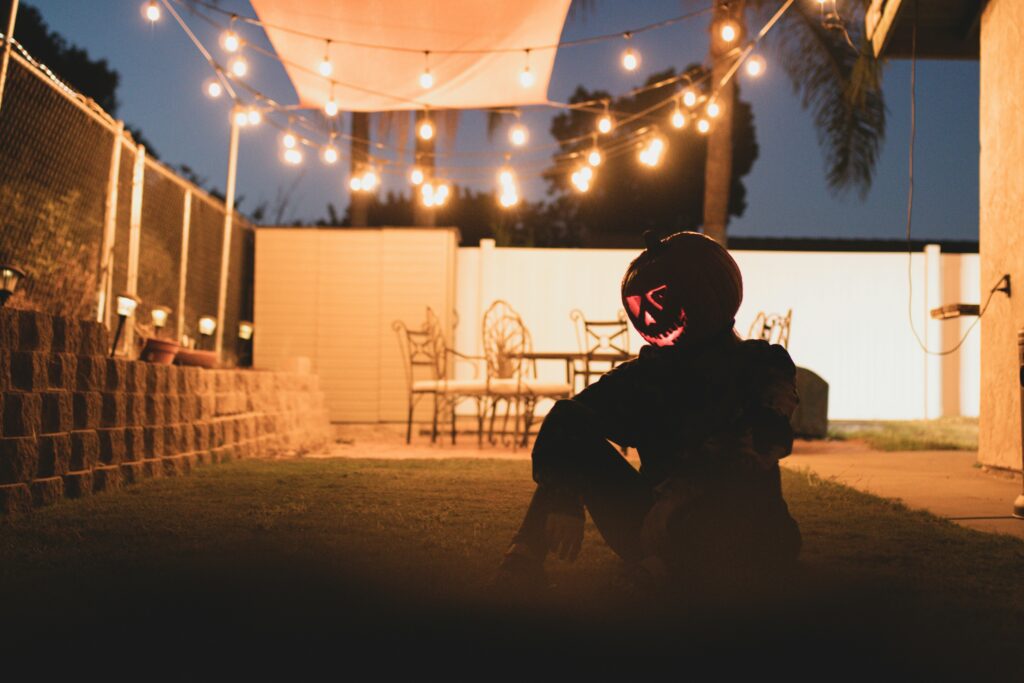
The most popular use of an outdoor projector screen is creating a private backyard cinema. Families and friends can enjoy movies, streaming content, and special events in a comfortable outdoor environment.
A successful backyard theater setup usually includes:
- A suitable outdoor movie screen
- A bright projector
- Comfortable seating
- Outdoor speakers
- Controlled lighting
If it is only for the occasional family night time and outdoor use, a portable screen will be the best choice. A portable screen is easy to put together as well as take apart for storing when not in use during specific times of the year. It’s no wonder many people will consider medium portable outdoor movie screens since it offers the film-watching feeling without a more permanently installed backyard theater setup.
Sports Viewing Events
Watching major sporting events outdoors on large screens, are becoming quite common nowadays, football games, soccer match, car races, tournaments are a great experience to be shared outdoors with friends and family on a big outdoor screen.
Sports viewing requires special attention to:
- Motion clarity
- Screen brightness
- Sound quality
- Viewing angles
A high-quality portable projector screen combined with a powerful projector allows groups of people to enjoy the event comfortably.
For sports fans, a larger screen with good contrast can create a more immersive experience compared with traditional television displays.
Outdoor Parties and Celebrations
Outdoor projector screens are also popular for:
- Birthday celebrations
- Weddings
- Family gatherings
- Holiday events
- Community festivals
They can display:
- Photo slideshows
- Videos
- Presentations
- Live broadcasts
- Entertainment content
Inflatable screens are often selected for larger gatherings because they provide a large viewing area and can accommodate many guests.
Educational and Business Presentations
Outdoor projection is not limited to entertainment. Schools, organizations, and businesses may use outdoor screens for presentations, training sessions, and public events.
A professional setup requires:
- Reliable equipment
- Clear visibility
- Appropriate screen size
- Adequate brightness
A durable outdoor theater screen can provide a practical solution for temporary educational programs or company events.
Common Questions Readers Have
What is the best outdoor projector screen material?
It is all going to depend on where you place it and on your projector. White is typically the most appropriate option in most circumstances due to its ideal balance of brightness, color neutrality, and viewing angles. However, you could get a gray fabric to improve contrast in some instances, or you could look into a high gain to increase brightness.
The ideal projector screen material depends on lighting conditions, projector strength, and viewing requirements.
Can I use an indoor projector screen outdoors?
Indoor screen is technically outdoor ready if briefly brought outdoors, although the design has not generally focused on the element resistance you’d find in an outdoor screen.
They include:
- More durable materials
- Better support systems
- Improved weather resistance
A dedicated outdoor projector screen generally provides better performance and longer durability.
How big should an outdoor projector screen be?
The ideal size depends on your space, projector brightness, and viewing distance.
Common outdoor screen sizes include:
- 100 inches
- 120 inches
- 150 inches
- Larger event-sized displays
A bigger screen is not always better. The projector must have enough brightness to maintain image quality.
Can outdoor projector screens stay outside permanently?
Most outdoor projector screens should not be left exposed to harsh weather conditions permanently.
Rain, strong sunlight, wind, and humidity can damage materials over time.
Even a weather-resistant projector screen should be protected when not in use.
Proper storage and maintenance significantly increase the product’s lifespan.
Do outdoor projector screens work during the daytime?
Outdoor projection during daylight is challenging because natural light reduces image visibility, making it helpful to learn about how projector brightness affects image quality before choosing your setup
For daytime use, you generally need:
- A very bright projector
- A high-quality screen surface
- A shaded environment
However, outdoor projectors typically perform best after sunset or in darker conditions.
Are inflatable projector screens better than regular screens?
Inflatable screens are not necessarily better; they are designed for different purposes.
They are excellent for:
- Large gatherings
- Events
- Temporary installations
Traditional framed or portable screens may provide better image stability for regular home use.
The right choice depends on your intended application.
Key Takeaways
Selecting the right outdoor projector screen requires more than choosing the largest available option. A successful outdoor theater experience depends on matching the screen with your projector, environment, and viewing goals.
The most important factors to remember include:
- Choose a screen size that matches your projector brightness.
- Consider screen material carefully because it affects image quality.
- Select portable, inflatable, fixed-frame, or retractable designs based on your usage.
- Protect the screen from rain, wind, and extreme weather.
- Check compatibility between your projector and screen specifications.
- Consider sound quality as an essential part of the outdoor cinema experience.
- Use proper installation methods to improve stability and viewing comfort.
- Store equipment correctly to extend its lifespan.
A well-planned outdoor projection system can create a memorable entertainment space without requiring expensive construction or complicated technology.
Conclusion
An outdoor projector screen is the foundation of a successful outdoor entertainment experience, along with exploring more home entertainment and technology guides for the perfect setup.Whether you’re interested in having a backyard cinema, a space for watching sporting events together with family and friends, hosting outdoor lectures or presentations, or just want an entertainment spot outdoors, selecting the appropriate screen can really make a difference. Not all of us require the biggest and most costly models available. To find the right outdoor projector screen for you personally, you must consider all of your options. It needs to work in conjunction with your projector, as well as reflect your area, weather conditions, and uses for it.
Think about screen material, structure sturdiness, installation type, viewing distance, along with outdoor weather condition protection to ensure your projector display will last. Using these tips, you will certainly discover that enjoying an amazing display outdoors can give years of great memories. Technologies such as the latest mobile project screens, inflatable screens, as well as electrically operated screens have certainly made it possible for anyone to establish their projector outdoors to obtain an enjoyable experience. Whatever type of entertainment you’re preparing for with a screen, knowing what works best is key to picking the right model for you and your guests.