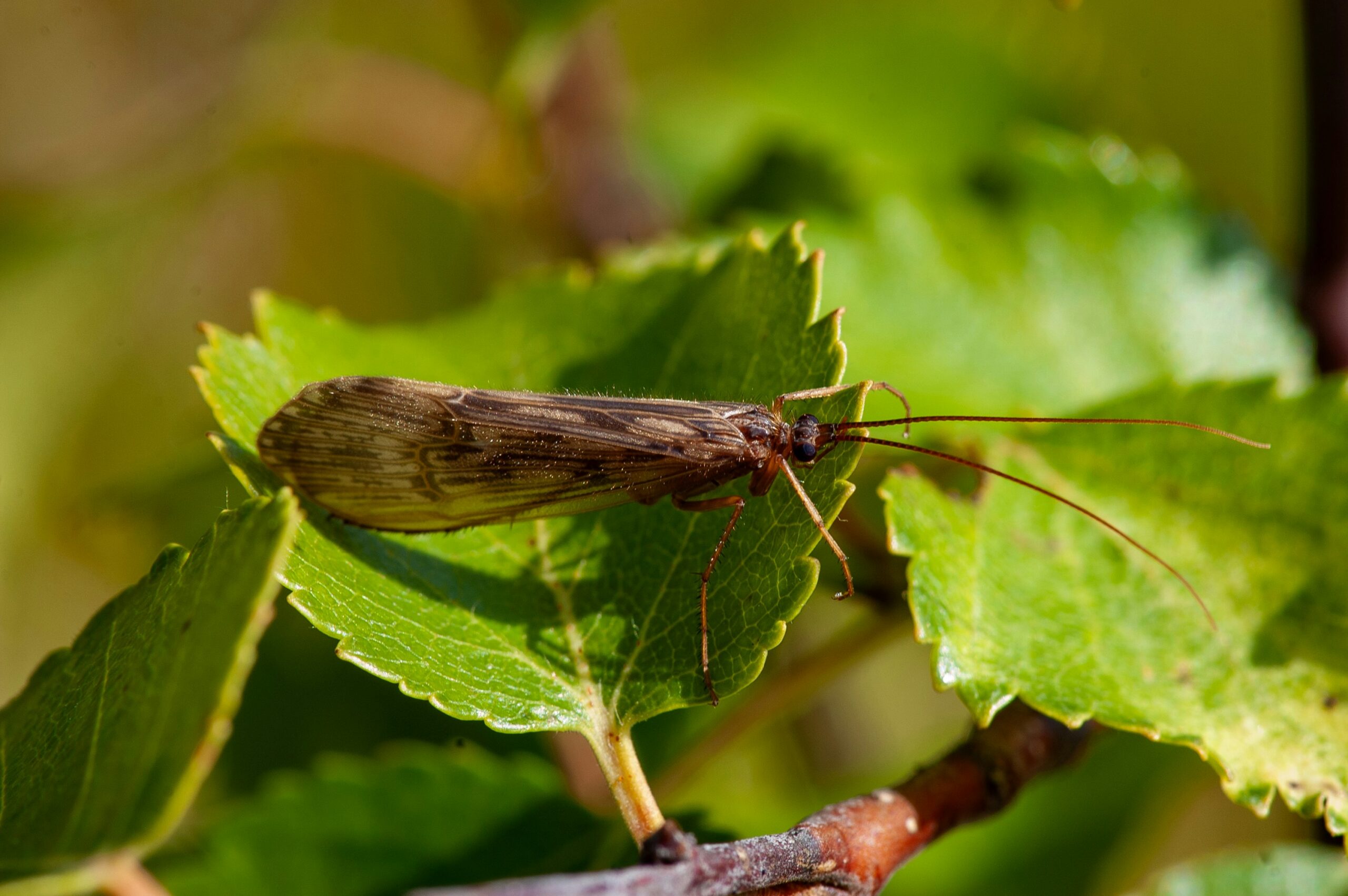
Learning how to get rid of gnats inside starts with understanding a simple fact: adult gnats are rarely the real problem. The insects you see are only the visible part of a much larger breeding cycle happening somewhere in your home. Unless that hidden source is eliminated, new adults will continue to emerge.
Here’s the good news:Indoor gnat invasions generally don’t require professional pest-removal services-and definitely not a costly service. From fungus gnats breeding in indoor plants to fruit gnats taking over produce and drain gnats flitting around your bathroom’s sink basin, addressing this annoyance involves getting to the root of what they’re doing-where they are reproducing, not what their airborne predecessors are doing. We’ll break down why gnats show up in houses, how to find their source, which gnats and pest solutions will work best, and how to avoid future swarms.
Why Indoor Gnats Appear in the First Place
People often assume gnats somehow invade a clean home. In reality, cleanliness is only one part of the story.
Most indoor gnats arrive because they find three things they need:
- Moisture
- Organic material to feed on
- A safe place to lay eggs
Even well-maintained homes can accidentally provide these conditions.
Common breeding locations include:
- Overwatered houseplants
- Ripening fruit
- Compost containers
- Kitchen garbage
- Recycling bins
- Damp potting soil
- Sink drains
- Leaking plumbing
- Pet food left overnight
The adults may only live a week or two, but females can lay hundreds of eggs during that time. That is why populations seem to explode almost overnight.
The First Step: Identify What Kind of Gnat You Have
Not every tiny flying insect is the same. Correct identification saves time and prevents using the wrong treatment.
| Type | Usually Found Around | Main Breeding Site |
| Fungus gnats | Houseplants | Damp potting soil |
| Fruit flies | Fruit, vegetables, recycling | Fermenting produce |
| Drain flies | Bathroom and kitchen sinks | Organic buildup inside drains |
| Moisture gnats | Damp basements, crawl spaces | Wet organic material |
Although people commonly call all of them “gnats,” each requires a different approach.
How to Find the Hidden Breeding Source
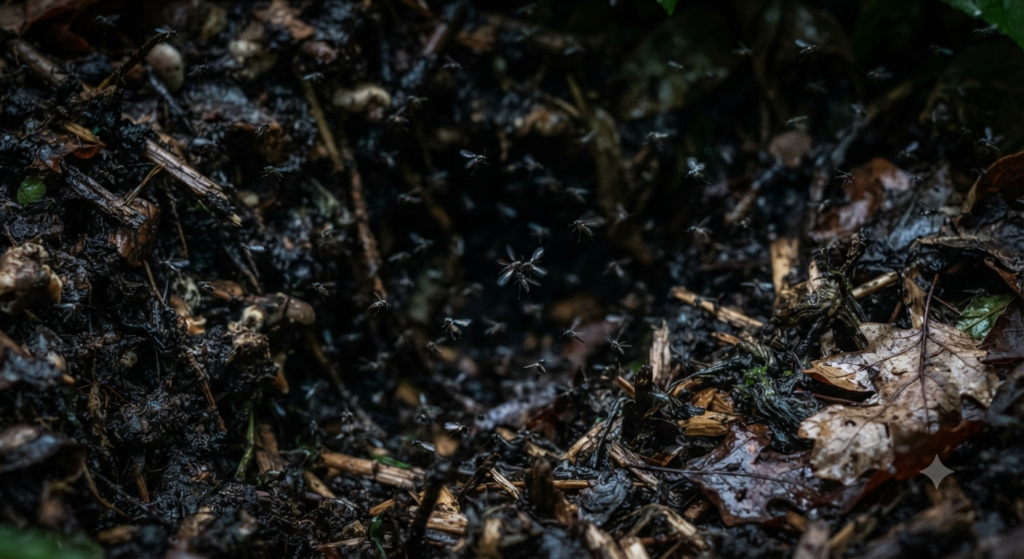
One reason infestations linger is that homeowners focus on the flying insects instead of where they originated.
Start by inspecting your home room by room.
Check Your Houseplants
Houseplants are among the most common sources of indoor gnats.
Signs include:
- Tiny black insects flying when the pot is disturbed
- Constantly damp soil
- Slow-growing plants
- White larvae just below the soil surface
Fungus gnat larvae feed on fungi and decaying organic matter in wet soil. Heavy infestations may also damage delicate roots.
Inspect the Kitchen
Fresh fruit often attracts fruit flies before it shows obvious signs of spoilage.
Look at:
- Bananas
- Tomatoes
- Peaches
- Potatoes
- Onions
- Compost bins
- Recycling containers
- Beverage spills
Even a forgotten piece of fruit behind an appliance can support hundreds of larvae.
Examine Drains
Drain flies breed inside the slimy organic film coating pipes.
A simple flashlight inspection may reveal:
- Tiny moth-like insects resting nearby
- Dark slime inside drains
- Persistent moisture
If flies disappear after leaving a room but return every evening, drains are a likely culprit.
How to Get Rid of Gnats Inside Naturally
Many infestations can be controlled without harsh chemicals.
Apple Cider Vinegar Trap
One of the best-known homemade solutions uses fermented scents to attract adult insects.
Fill a small bowl with:
- Apple cider vinegar
- A few drops of dish soap
The vinegar attracts the gnats, while the soap breaks the liquid’s surface tension so the insects sink instead of escaping.
This works particularly well for fruit flies.
Sticky Traps
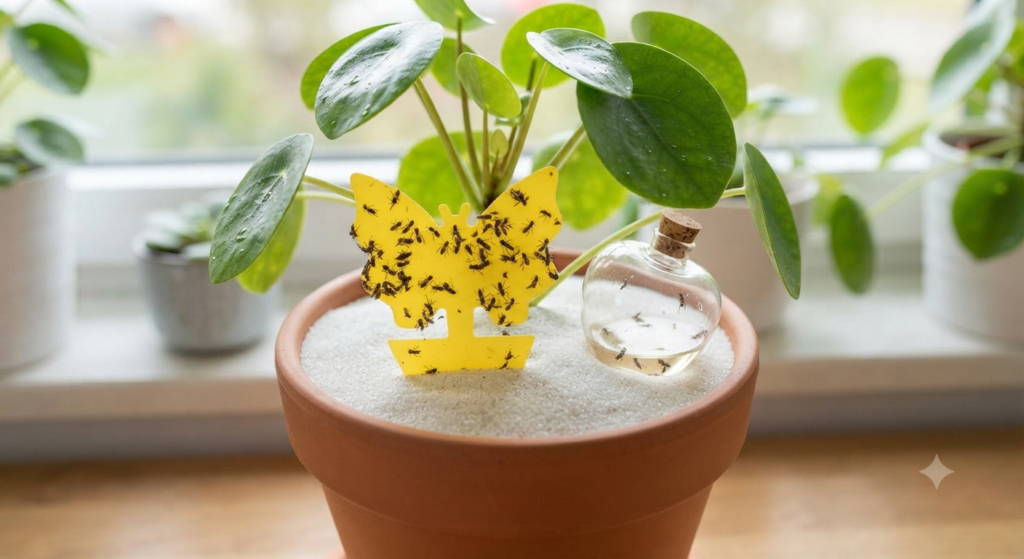
Yellow sticky cards are widely recommended for fungus gnats.
They:
- Catch flying adults
- Help monitor infestation size
- Reduce egg laying
Sticky traps alone will not eliminate larvae but are highly useful alongside soil treatments.
Allow Potting Soil to Dry
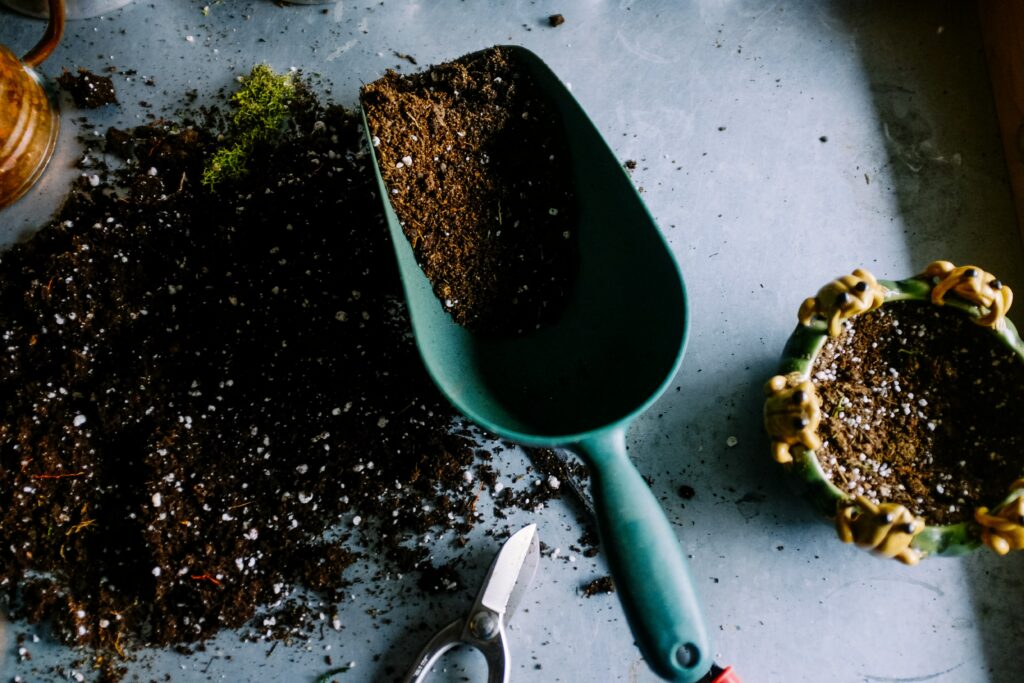
Allow potting soil to dry between waterings, as this helps discourage larvae from surviving in damp soil and supports healthier indoor plant care practices.
To help reduce fungus gnats: Keep the soil around your plants slightly on the dry side by letting the top 1-2 inches dry out between watering. Fungus gnat larvae needs to be kept from drying out or they may die. But, watch to avoid over-stressing those that do like consistently moist conditions.
Replace Contaminated Soil
You’ll want to keep your plant well away from its new environment just in case any eggs or larvae laid in the soil make it over to another plant as well, just to be on the safe side. Repotted the plant with 1cm fresh, gritty, perlite-enriched compost to replace it on top a couple of weeks ago as i still spotted gnats and decided i can’t do anything more without completely removing it. New soil is never really very tasty.
“Since fungus gnats thrive in damp soil, they commonly lay eggs in moist compost. If overwatering forced you to replace the compost, the eggs or larvae may have already established themselves lava as well and then by completely repotting the plant, including all its roots, into a nice bit of airy, grit compost, your chance of having a gnat-free plant, will be reduced to as little as possible’..
When Natural Remedies Aren’t Enough
Larger infestations sometimes require additional measures.
Biological Control for Houseplants
Beneficial nematodes are tiny organisms that can help get rid of fungus gnat larvae. They do not harm plants and people.
Another biological method includes using products with bacillus thuringiensis israelensis or BTI. It is a bacterium that acts on mosquito and fungus gnat larvae.
BTI targets the immature form of a pest, thus preventing the development of adults.
Indoor Pest Control Tactics
Insect growth regulators can be used in some indoor pest control products. They are designed to stop immature insects from becoming adults.
These should be used when a pest problem becomes persistent. Products with growth regulators should be used according to the instruction.
Drain Cleaning Products
Cleaning products can get rid of drain flies. Such pesticides should be thrown away after use, not sprayed on the insects. Enzymatic cleaners can remove the food from the walls of the pipes.
This is crucial for getting rid of drain flies, as it removes the larvae’s breeding ground. Meanwhile, throwing bleach or other common drain cleaners is not a good idea. There will be nothing to kill the bugs, as the biofilm will protect the drain pipe walls.
Common Mistakes That Keep Gnats Coming Back
List of reasons why a person might cause conditions that facilitate infestation.
Overwatering the plants
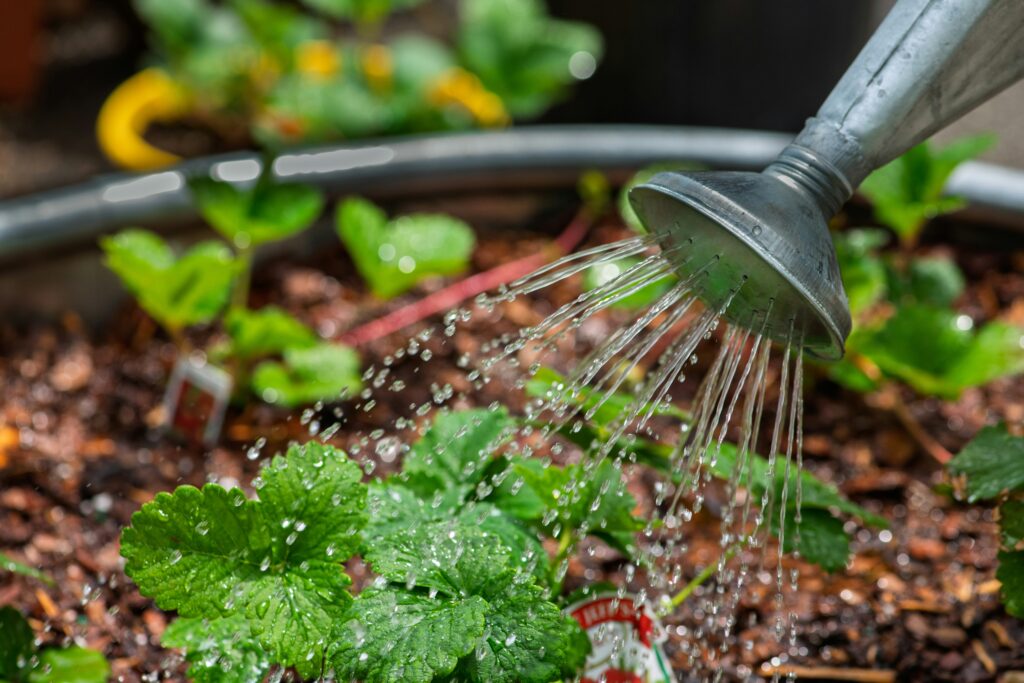
It is wrong to think that the more moisture the better for the plants to grow. Such belief leads to unhealthy soil, which becomes a habitat for fungus gnat eggs and larvae.
Leaving food sources
Even a small piece of potato behind the cabinet can be a reason for a fruit fly infestation. It is essential to check all the places where food can be hidden on a regular basis.
Leaving trash outside
The food leftovers should not be left in the trash can, especially during the warm seasons, because they can create a fertile ground for microorganisms that can contribute to infestation. Moreover, decomposing organic matter often attracts various pests and can cause a severe infestation.
Only killing the adult insects
Such methods as using an aerosol to kill flying bugs let the eggs hatch and produce a new wave of adult insects that are more harmful and numerous than the previous ones.
A Practical Room-by-Room Plan
Instead of treating the entire house randomly, work systematically.
Kitchen
- Remove overripe produce.
- Clean spills immediately.
- Empty trash daily.
- Wash recycling containers.
- Store fruit in the refrigerator when appropriate.
Living Room
If houseplants are present:
- Reduce watering.
- Remove dead leaves.
- Use sticky traps.
- Inspect decorative containers for standing water.
Bathroom
- Scrub drains.
- Repair plumbing leaks.
- Improve ventilation.
- Reduce standing water around sinks.
Basement
Look for:
- Damp cardboard
- Water leaks
- Mold growth
- Excess humidity
A dehumidifier may help reduce moisture that attracts insects while improving overall how to reduce indoor humidity strategies that discourage pests and mold growth.
Do Homemade Remedies Really Work?
Some do.
Others are popular online despite having limited evidence.
Generally Effective
- Apple cider vinegar traps
- Sticky traps
- Soil drying
- Removing breeding material
- Cleaning drains
Less Reliable
- Essential oils alone
- Ultrasonic pest devices
- Random bug sprays
- Bleach poured into drains without cleaning
The most successful approach combines sanitation, moisture control, and targeted trapping as part of a consistent home cleaning and maintenance routine.
How Long Does It Take to Eliminate Indoor Gnats?
It really varies the infestation to infestation depending on how quickly you eliminate the breeding source The answer varies depending on how soon you remove the breeding source. The results for most minor infestations you’ll see the effects with just a few days. The results for more extensive infestations may take 2-4 weeks for already developing eggs and larvae to die or at least terminate successfully and not develop into active insects to re-repopulate.
Most, if not all, will die for one or another.
Be patient- you may very well see quite a few adults shortly following treatment. These are almost certainly last minute insects which had yet been able to hatch, from adult activity preceding your action.
Preventing Indoor Gnats From Returning
Once you get the infestation handled, prevention will be much easier. Basic daily habits go a long way: Just Like Good Indoor Plant Keeping- water plants when they need it, instead of on a set schedule. Buy produce and Wash it as soon as possible when you get home.
Don’t leave overripe fruit out in the open to lie for days.
Clean the inside of your sink drain regularly so organic matter can’t accumulate. Fix plumbing leaks right away. Seal and compost. Decrease moisture inside your house if that’s a problem.
As you buy, don’t forget that fungus gnats often hitch a ride in the nursery soil; just examine new houseplants as soon as you bring them into your home.
Usually, a few small, habitual adjustments prevent reinfection.
When Should You Call a Professional?
Most indoor gnat problems can be solved with careful cleaning and targeted treatments.
However, professional pest control may be worthwhile if:
- Infestations continue for more than a month despite treatment.
- You cannot locate the breeding source.
- Moisture damage exists behind walls or under flooring.
- Large numbers of insects appear suddenly.
- The infestation is associated with plumbing or structural water problems.
A pest management professional can identify hidden breeding sites that may not be visible during routine inspection.
Conclusion
Understanding how to get rid of gnats inside is less about finding the strongest insect killer and more about interrupting the insects’ life cycle. Whether the problem comes from damp potting soil, overripe fruit, clogged drains, or excess indoor moisture, lasting control depends on removing the conditions that allow gnats to reproduce.
When you determine the species of gnats involved, destroy breeding grounds, deploy suitable gnat traps and keep your home dry and tidy most housekeepers can eliminate a gnat infestation, usually without more treatment. The sooner the gnat’s home base is compromised the more readily those bothersome gnats will disappear from your house.
Frequently Asked Questions
1. Why are there so many gnats inside the house all of a sudden?
There is an infestation of adult gnats that have hatched from eggs laid in the breeding grounds. Common breeding grounds for gnats are moist potting soil, rotting fruits, drain gunk, or other garbage.
2. Can you get gnats in a clean house?
Yes, you can get gnats in a clean house, if there are enough breeding grounds present in the house, for example, if there are houseplants with wet soil or if food is available for the gnats to feed on.
3. Does vinegar kill gnats?
The vinegar will kill most of the adult gnats, such as fruit flies, but it won’t get rid of the gnat eggs or larvae. The only sure way to get rid of gnats is to get rid of their breeding grounds.
4. Are house gnats dangerous?
The most common gnats that appear indoors are only a nuisance, they don’t carry any diseases and won’t hurt humans, although a big infestation can cause some inconveniences like contaminating food with their eggs or damaging young plants. Fungus gnats can be dangerous to small plants if their larvae are feeding on the roots of the plants.
5. How often should I water my plants to prevent fungus gnats?
Watering plants should be done only when necessary, so that the top layer of the soil is dry. It’s important not to water plants too often or leave the soil constantly wet.
6. Why are there still gnats after using spray?
The insecticide spray only kills the adult gnats that are flying around, the gnat eggs and larvae that are hidden in the soil or in the moist gunk in the drains or in the rotting food will hatch and continue the infestation.