Why Is My Breast Milk Watery?
If you’re wondering why is my breast milk watery, the appearance can be surprisingly different from what you expected. Some expressed milk looks creamy and white, while other milk may appear thin, bluish, or almost translucent.
The fact that the difference is present doesn’t mean there is anything wrong.
Human milk is a complex food, its look can vary depending upon the time expressed, sitting duration and other natural variations. Therefore to look at a bottle of milk and consider nutritional value due to thickness and color could be misleading.
Instead of focusing on whether the milk appears watery, pay attention to whether the baby feeds well, produces enough wet diapers, and gains weight as expected, while following broader newborn feeding and baby care tips can help you recognize when additional support may be useful.
Is Watery-Looking Breast Milk Normal?
.
Why Does Breast Milk Look Watery?
One important reason is normal variation in milk composition.
Breast milk contains water, carbohydrates, proteins, fats, vitamins, minerals, and other components. The proportions of these components aren’t necessarily identical throughout a feeding or between pumping sessions.
Milk can therefore look different from one expression to another without indicating a problem.
If you pump, you may notice that milk collected at one point looks thinner while milk collected later appears creamier.
That difference is not necessarily a sign that one batch is “good” and another is “bad.”
Foremilk and Hindmilk: What Do They Mean?
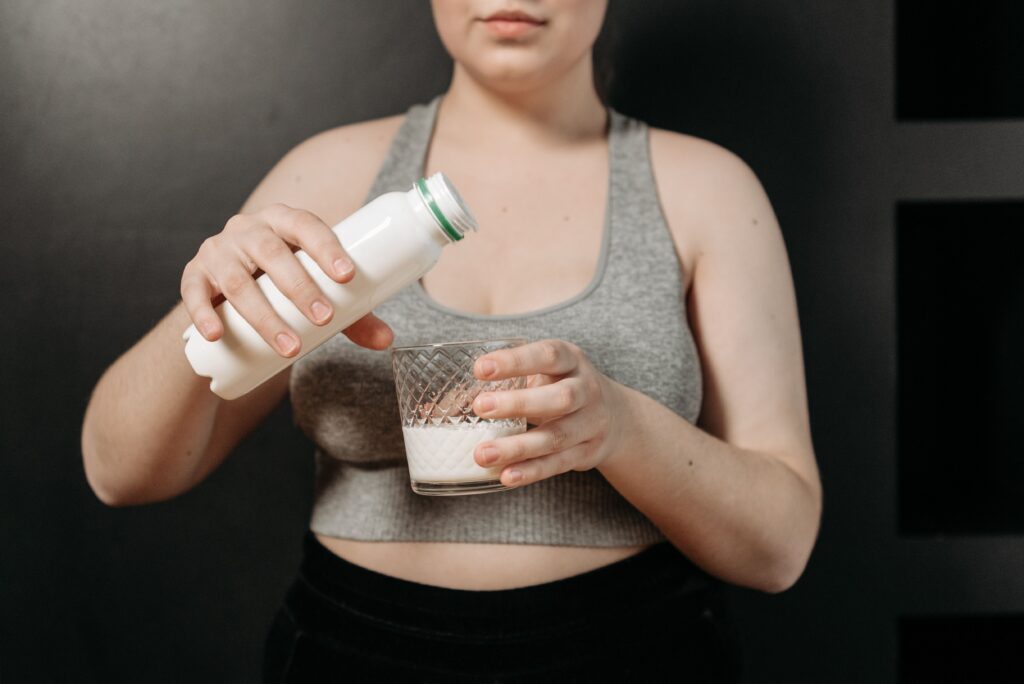
Did you know that foremilk (the first and thinnest part of a feeding or pumping session) and hindmilk (the fattier or creamier part of a feeding or pumping session) can be terms you’ve hear uttered to describe breast milk that’s either watery or creamy. It does come into use on occasion when milk’s content changes during the course of feeding time or a pump session, yet rather than two distinct types of breast milk to describe “foremilk and hindmilk”, it is simpler and perhaps more accurate to understand the breast milk composition as always altering in phases instead.
In essence as our breasts lose water volume for each feeding or session then the milk can even seem more “creamy.” It even turns out that in breast feeding conversations that the term “foremilk-hindmilk imbalance” often gets said, even though it has got to do… is more complicated than simply having too much watery milk and not enough creamy milk.
Why Does Pumped Breast Milk Separate?

It is natural for expressed breast milk in storage to have a layer of cream settle at the top of the bottle or container. The fat is simply separating out from the remainder of the breast milk after it has been sitting around for a while. The milk can usually be gently swirled and mixed back together with guidance for safe breast milk handling practices. This means watery milk with cream floating at the top is often not necessarily not nutrient-rich or otherwise sub-par as opposed to the creamy lower portion.
Does Watery Breast Milk Mean It Has Less Nutrition?
Not so necessarily.
The look of breast milk isn’t a reliable indicator of its nutritional value.
If the milk looks “thin,” it doesn’t mean that it’s not sufficient for your baby. The composition of human milk varies constantly throughout the days and at feed times.According to the CDC breastfeeding and breast milk guidance, breast milk provides important nutrition for infants, while parents can also find evidence-based information about feeding, milk supply, and breastfeeding support.
What If My Baby Seems Hungry After Breastfeeding?
This is far more important than what the milk looks like If the baby does not seem satisfied after a feed , breastfeeds very often without apparent milk transfer , had fewer wet nappy days than expected, not gaining as expected. It could be wise to consult your doctor or a lactaction consultants if any or these persist . Feeding technique and milk transfer can then be evaluated. Never assume your breastmilk appearance is the only factor .
Can Pumping Make Milk Look Different?
Yes.
The amount of milk removed while using a pump may differ in appearance depending upon when you pump, for how long and the volume of milk that the pumping removes. For example, the milk pumped following a length of time may appear different from that pumped following a feed. Furthermore the container in which you collect the milk may contribute to apparent differences in color and thickness of the milk. Do not judge the quality of the milk on the basis of its appearance but the baby’s feeding pattern and growth and the level of comfort experienced by feeding by pumping or directly from the breast.
Does Your Diet Make Breast Milk Watery?
Is My Water Intake Or Other Foods Affecting The Look Of My Milk? Some people worry that increasing their water intake, eating particular foods, or even cutting out fat will result in their milk instantly becoming thin. Milk’s watery look or otherwise just does not link to one specific food product.
The standard rule in life and breastfeeding is a varied diet and drinking lots of fluids are essential, yet there is no necessity in consuming specific foods as well as beverages as well as to trying your best to create your milk thick, since it looks to you skinny.
Stick to a general, wholesome plan as well as supplement just as coached by certified specialists who want to develop a particular food strategy for you to assist with particular concerns..
What About Hydration?
It is necessary for your well-being and to sustain breast-feeding too to drink adequately. But too much water doesn’t make the breast milk healthier or more “thick”. In the same way a glass of water does not magically alter the makeup of your expressed breast milk.A good method is to drink when thirsty and to keep up regular intake of food and drink.
Can Stress Affect Breastfeeding?
Breastfeeding can feel harder when you’re feeling stressed and stressful situations may affect your experience of feeding or expressing your milk.
Thin milk in itself doesn’t mean it’s any less nutritious due to stress.
If you have got problems feeding or expressing your milk, finding out whether it’s the mechanics of the situation, for example the position you are in, the way your baby latches, or how you remove the milk may reveal a cause for the problem and with appropriate professional guidance you will be offered strategies for effective breastfeeding or expressing.
Why Is My Breast Milk Watery After Refrigeration?
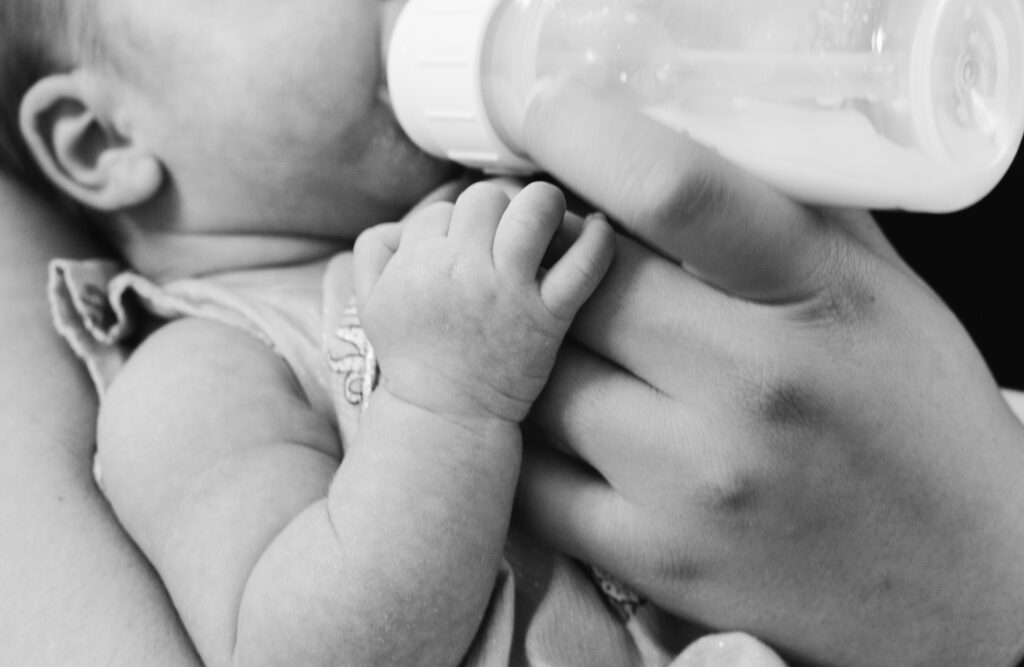
Your refrigerated breast milk might separate into layers.
You will notice that there will be a creamier looking layer on top and a thin looking layer at the bottom.
This does not mean that your milk has been watered down.
The separation of breast milk into layers is a natural physical process.
Stick to current breast milk storage and handling guidelines and do not use color, thickness, or visible separation as the sole criteria for determining whether expressed milk has been stored safely.
If you are uncertain about whether the milk has been stored safely in all other criteria, then ask for advice from a healthcare professional; do not make assumptions based on what color the milk is or its thickness.
Is Watery Breast Milk a Sign of Low Milk Supply?
No. You can’t tell from the milk the consistency/amount of color milk by eye. My milk often looks watery and I have plenty milk.
Someone else’s could look like heavy cream and they would have not have supply.
Better indicators are how the baby is feeding, pooping, and gaining.
When Should You Be Concerned?
“Breast milk just doesn’t look right on its own isn’t usually a concern.” However, it’s more concerning “if there’s evidence that your baby is not drinking enough or isn’t feeling well. Let your baby’s health care provider know if you have symptoms such as feeding challenges, a low number of wet and dirty diapers, a lot of lethargy or weight-gain issues. It may also be helpful to speak with a lactation consultant to look into problems with latch, positioning, milk transfer and feeding routine.”
What If Your Baby Has Loose or Green Stools?
There are numerous reasons for stool changes:
For breastfeeding mothers, some attribute the greenish stools, loose stools, or frequent stools to what is perceived to be a feeding problem related to foremilk-hindmilk imbalance (though there is no way to determine a feeding problem solely from baby’s stool characteristics).
In some cases of excessive milk production with copious flow of milk, there may be feeding difficulties with consequent gastrointestinal problems (oversupply/rapid milk flow-La Leche League International addresses this).
You should call a pediatric health care provider if your infant has persistent diarrhea, blood in stools, feeding problems, dehydration concerns, or is not gaining weight as expected.
Should You Try to Make Your Milk Thicker?
Generally there is no need to try to thicken normal breast milk. Do not restrict your diet or add anything to it because expressed milk appears thin. Do not add anything to your breast milk in an attempt to thicken it unless instructed by a medical professional. It is not designed to appear like cow’s milk or infant formula.
What Can You Do If You’re Worried About Your Milk?
Start by looking at the bigger picture.
Ask yourself:
- Is my baby feeding effectively?
- Does my baby seem satisfied after many feeds?
- Are wet diapers occurring as expected?
- Is my baby growing appropriately?
- Am I experiencing pain during feeding?
- Is pumping producing the amount I expect?
- Has anything recently changed with feeding?
If the concern remains, write down your observations and discuss them with a pediatrician or lactation professional.
This is more useful than trying to diagnose the milk based on color alone.
A Simple Way to Think About Watery Breast Milk
Imagine looking at two glasses of the same natural food at different stages of preparation.
One might look thicker while another appears more transparent.
That difference doesn’t necessarily mean one is nutritious and the other isn’t.
Breast milk is similarly variable.
The color, thickness, and amount of visible cream can change without indicating that something is wrong.
Final Thoughts on Why Is My Breast Milk Watery?
So, why is my breast milk watery?
This is the most likely cause: normal variation in your breast milk. Your milk can look thin, bluish and / or watery some times during a feed or pumping session, or milk can split in the fridge into layers. Watery looking milk doesn’t have to mean that your breast milk is not giving your baby the nutrients they need.
Focus on baby – if feeding seems going well and they are producing lots of dirty and wet nappies and gaining weight on your watery looking milk, it is unlikely you have a problem.
Don’t be distracted by appearances, judge your milk by your baby! Don’t alter your diet nor pump you milk just because you imagine that it should look creamier. Real human breast milk looks nothing like the stereotypical idea of a ‘rich cream’.
Frequently Asked Questions About Watery Breast Milk
1. Why is my breast milk watery in the morning?
The appearance of breast milk can vary from feed to feed, and from person to person. Time of day, how much is being removed or expressed, and the many different factors that can contribute to hormonal changes can all play a role in the appearance of your milk
2. Is my breast milk supposed to be watery?
Not necessarily. A thinner consistency of breast milk is completely normal and healthy. The appearance of your milk is not an indicator of its nutritional value
3. Do I have a low milk supply?
The consistency of your milk is not an indicator of your milk supply. Your baby should also be eating well, and having enough wet or dirty diapers to show that they are eating well.
4. Why is there a layer of cream on my milk?
When milk is expressed, some fat can rise to the top of the milk, creating a layer of cream. This is completely normal and healthy.
5. Should I consume more fat if my milk is watery?
If you are concerned about the health of your milk or your baby’s consumption, you should contact your doctor.