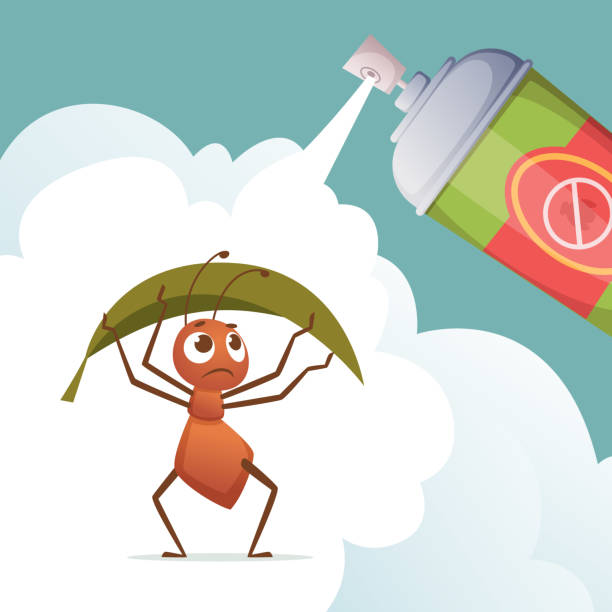
Spraying a line of ants can create an immediate result, yet the trail may return within hours or days. The reason is simple: the ants seen on a bench, wall or path are usually workers from a much larger colony. Killing a few foragers does not necessarily reach the queen, developing ants or satellite nests, so the colony can send out replacements and establish a new trail.
Ants communicate using chemical trails. When workers discover food or water they can recruit others to the same route, which is why activity can suddenly appear organised. Cleaning the trail with ordinary household cleaner can reduce the scent signal, but it does not eliminate the colony. If the food source or moisture remains, scouts may rediscover the area and lay a fresh trail.
The first practical step is to follow the ants where possible rather than spraying immediately. Observe where they enter, what they are feeding on and whether the trail disappears into a wall, garden bed, roof void or crack in paving. Indoors, remove accessible food, wipe sugary residues and store pantry items securely. Outdoors, trim vegetation touching the building and look for moisture around taps, drains and irrigation.
Baiting can be effective because workers carry an attractive food back toward the colony, but the bait must suit the species and its current food preference. Ant preferences can change between sugars, proteins and fats, and a bait that is ignored is not useful. Spraying near bait can also reduce feeding or repel ants from the area, so mixing methods without a plan can work against the treatment.
Persistent activity, multiple nests or ants emerging from wall cavities may justify professional identification. The goal is to treat the colony and address the conditions supporting it, not simply to kill visible workers. This is especially important when ants are nesting in inaccessible structural areas or when repeated home treatments have failed.
Successful pest management usually combines observation, prevention and treatment rather than relying on one quick fix. Keeping the property dry, tidy and easy to inspect can reduce many of the conditions pests use for food and shelter. It also makes new activity easier to spot. When a problem keeps returning, the source, entry route and harbourage should be investigated instead of repeatedly treating only the insects or animals that happen to be visible.
If you would like professional help assessing pest activity or planning treatment, Brisbane Termite & Pest Control can inspect the property and recommend an approach based on the pest, the building and the conditions present. Early attention is especially useful when activity is hidden, recurring or causing damage, because a targeted response can address both the immediate problem and the factors that allowed it to develop
Another reason ants seem persistent is that a single property may contain more than one nest or even more than one species. One trail can disappear while another becomes active elsewhere, particularly when weather, food availability or moisture changes. Rather than treating every trail as an isolated problem, look for patterns over several days. Note whether ants are active in kitchens, bathrooms, paving, garden edges or roof areas and whether activity increases after rain or during warmer parts of the day. These observations give a clearer picture of the infestation and can make targeted treatment more efficient than repeated broad spraying..