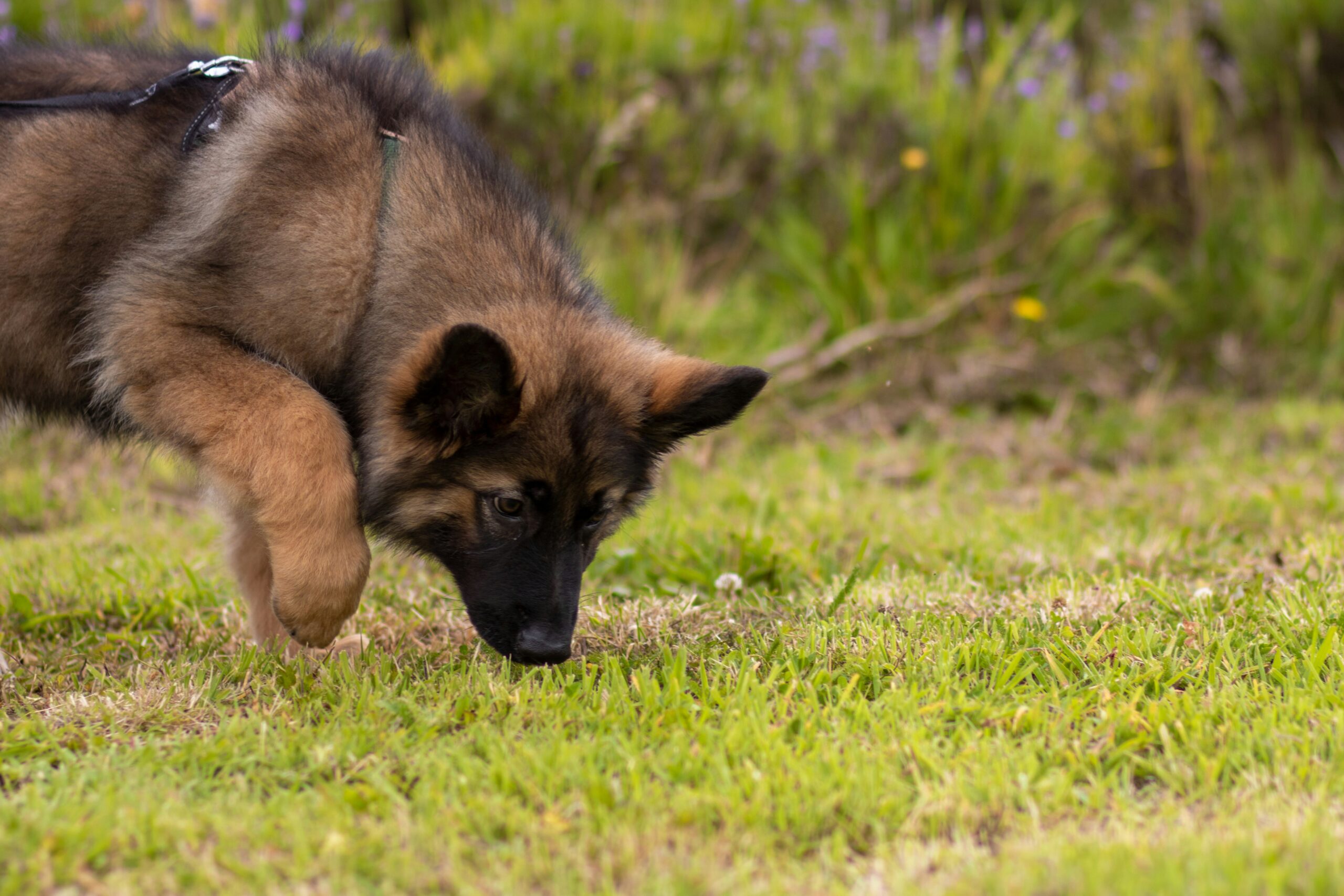
If you share your home with a canine companion, you have likely witnessed a curious ritual: you hand your dog a delicious bone, a gourmet chew, or a special biscuit, expecting them to devour it with immediate delight. Instead, your dog gently takes the reward, trots away with a purposeful gait, and frantically looks for a hiding spot. They might bury it beneath couch cushions, shove it into a pile of dirty laundry, or take it out to the backyard to excavate a deep hole in the flowerbed. Watching a dog use their nose to push imaginary dirt over a carpeted floor can be both hilarious and baffling.
This leads many pet parents to ask: why do dogs hide their treats when they live in comfortable homes with guaranteed daily meals?
To understand why do dogs hide their treats, we must look beyond modern domestic life and venture deep into canine evolutionary history, instinctual drives, resource management strategies, and emotional expression. Even though modern dogs enjoy unprecedented luxury, their brains remain hardwired with ancient survival mechanisms designed to secure precious resources against competitors and environmental threats.
This comprehensive guide breaks down every aspect of canine caching behavior. You will discover the evolutionary history behind stashing food, the psychological triggers that prompt your dog to hide items today, the common hiding locations they prefer, how to address problematic guarding habits, and practical tips to manage this natural behavior safely.
1. The Evolutionary Origin: Ancestral Caching Mechanisms
To answer why do dogs hide their treats, we must first examine the habits of their wild ancestors—wolves (Canis lupus)—as well as wild canids such as foxes, coyotes, and dingoes.
┌──────────────────────────────────────────────────────────────────────────┐
│ THE ANCESTRAL CANINE CACHING CYCLE │
├──────────────────────────────────────────────────────────────────────────┤
│ │
│ [Successful Hunt / Surplus Food] ──► Overabundance Beyond Capacity │
│ │ │
│ ▼ │
│ [Excavation & Placement] ──► Burying Meat in Soil / Snow │
│ │ │
│ ▼ │
│ [Natural Refrigeration & Protection] ──► Low Temp + Odor Masking │
│ │ │
│ ▼ │
│ [Retrieval During Scarcity] ──► Survival Guarantee During Hard Times │
│ │
└──────────────────────────────────────────────────────────────────────────┘
In the wild, hunting is an unpredictable activity. Large prey yields far more meat than a pack or an individual can consume in a single feeding. Leaving fresh meat out in the open invites competing predators—such as bears, lions, hyenas, or birds of prey—to scavenge the kill. Furthermore, exposed meat spoils rapidly under direct sunlight and high temperatures.
Wild canids solved this problem through a survival behavior known as scatter hoarding or caching:
- Natural Refrigeration: Cool soil, mud, or snow acts as a natural refrigerator, slowing down bacterial growth and keeping meat viable for days.
- Odor Suppression: Packing dirt tightly over food masks the scent signature, making it difficult for competing scavengers to locate the meal.
- Insurance Against Famine: Having hidden reserves ensured that injured, sick, or unsuccessful hunters had guaranteed sustenance during periods when fresh prey was scarce.
When asking why do dogs hide their treats today, remember that domestication—which began tens of thousands of years ago—has not erased these deeply ingrained genetic pathways. Even though your dog receives high-quality food at set times every single day, their instinctual brain treats high-value items as precious survival assets.
2. Psychological and Behavioral Reasons: Why Do Dogs Hide Their Treats?
While ancient evolution explains the origin of the impulse, several distinct psychological and environmental factors explain why do dogs hide their treats in daily home settings.
┌──────────────────────────────────────────────────────────────────────────┐
│ PRIMARY MOTIVATIONS FOR CANINE CACHING │
├───────────────────┬──────────────────────────────────────────────────────┤
│ MOTIVATION │ PSYCHOLOGICAL DRIVER │
├───────────────────┼──────────────────────────────────────────────────────┤
│ High Value Items │ Item is too prized to risk losing or eating hastily │
│ Satiety / Fullness│ Dog is not hungry now, so saves the resource for later│
│ Overstimulation │ High excitement leads to pacing and hiding rituals │
│ Multi-Pet Rivalry │ Perceived threat of stolen treats from other animals │
│ Anxiety & Stress │ Stashing provides emotional comfort and security │
└───────────────────┴──────────────────────────────────────────────────────┘
1. High Perceived Value
Dogs do not hide ordinary dry kibble; they hide items they consider extraordinary. Rawhide alternatives, marrow bones, bully sticks, or pig ears carry high monetary value in a dog’s internal currency system. When a dog receives an exceptionally high-value reward, their instinct whispers that this item must be safeguarded at all costs.
2. Satiety and Overabundance
If you offer a rich treat right after your dog has eaten a full dinner, they may experience a conflict between desire and capacity. They want the treat, but their stomach is completely full. When considering why do dogs hide their treats in these moments, the answer is simple logistics: they are saving dessert for later rather than abandoning it.
3. Multi-Pet Household Competition
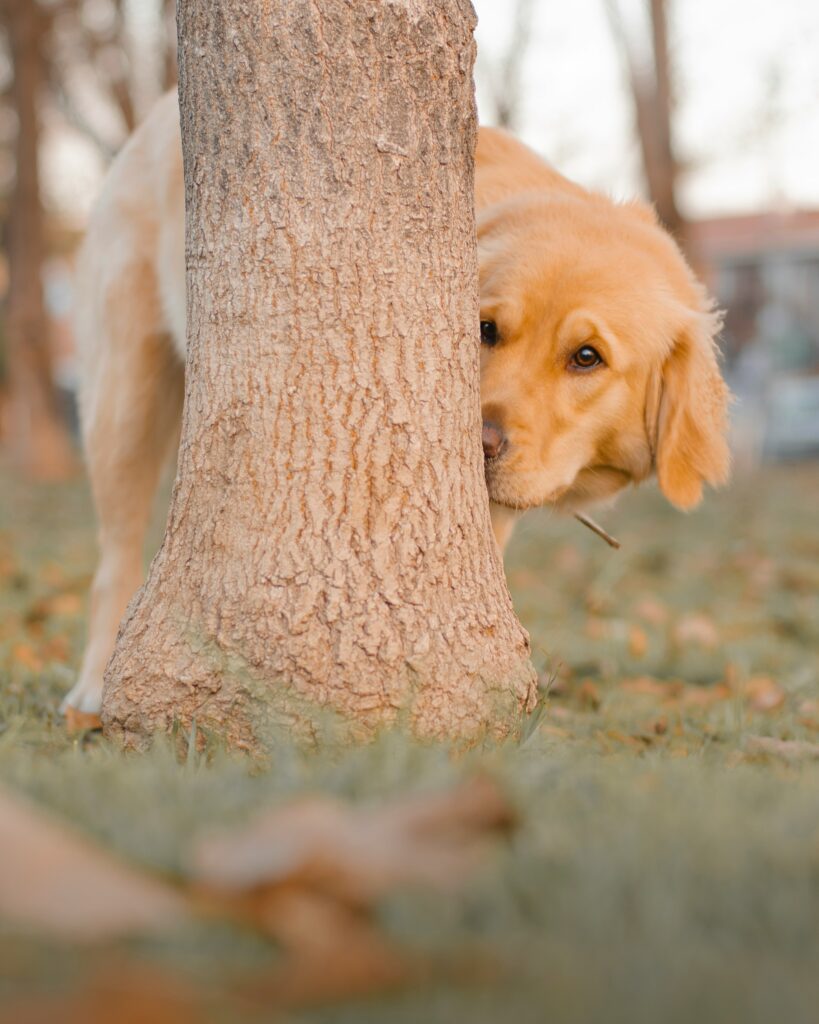
In homes with multiple dogs, cats, or energetic children, dogs feel higher social pressure surrounding resources. Even if your pets get along splendidly, a dog may stash a treat to prevent another resident animal from taking it. The subtle presence of a companion animal walking through the room is often enough to trigger a caching episode.
4. Overstimulation and Anxiety
Sometimes an ultra-high-value treat causes sensory overload. The dog becomes so excited by the item that they do not know what to do with it. They walk around whining, crying softly, or pacing nervously with the chew in their mouth. Stashing the item allows the dog to release that built-up arousal and regain emotional balance.
5. Boredom and Enrichment
For many dogs, the process of digging, pushing blankets, and inspecting hidden caches serves as a self-rewarding game. It engages their natural foraging instincts, challenges their problem-solving abilities, and relieves boredom when nothing else is happening in the household.
3. Common Hiding Locations and What They Mean
Observing where your dog chooses to stash their goods gives fascinating insight into how they view their indoor environment. When evaluating why do dogs hide their treats in specific places, notice how dogs match indoor furnishings to outdoor landscapes.
┌──────────────────────────────────────────────────────────────────────────┐
│ INDOOR VS. OUTDOOR STASH SPOTS │
├───────────────────────┬──────────────────────────────────────────────────┤
│ LOCATION │ CANINE PERCEPTION & REASONING │
├───────────────────────┼──────────────────────────────────────────────────┤
│ Couch Cushions │ Replaces soft soil; easy to dig and manipulate │
│ Dog Bed │ Their designated safe haven; maximum security │
│ Laundry Baskets │ Strong family scent masks treat odor │
│ Backyard Dirt / Flower│ Classic ancestral digging substrate │
└───────────────────────┴──────────────────────────────────────────────────┘
Indoor Hiding Spots
- Sofa Cushions and Pillows: The crevices between couch cushions mimic natural dirt trenches. Soft fabric allows dogs to push material using their snout, imitating the action of covering a hole with soil.
- Under the Dog Bed: A dog’s bed is their personal territory. Hiding items underneath their cushion keeps their treasures close to their primary resting area.
- Dirty Laundry Baskets: Clothes carry the concentrated scent of human family members. Hiding treats in laundry allows dogs to blend high-value food smells with reassuring pack scents.
- Corners Behind Furniture: Low-traffic, dark corners offer visual privacy from humans and other pets.
Outdoor Hiding Spots
- Flowerbeds and Fresh Mulch: Soft, freshly turned soil is the ultimate digging substrate. It is easy to excavate and provides excellent scent-masking properties.
- Piles of Leaves or Debris: Leaves offer quick coverage without requiring heavy digging.
- Under Decks or Sheds: Shaded, sheltered structures protect the cache from rain, wind, and overhead view.
4. The Anatomy of the Hiding Ritual
The physical process of stashing a treat follows a remarkably consistent, step-by-step sequence across almost all dog breeds.
1.Step 1: The High-Value Evaluation:Assessment Phase.
The dog receives the treat, inspects it with their nose, and determines its high value. Instead of chewing immediately, they hold it firmly in their mouth and look around the room.
2.Step 2: Searching for the Target Location:Patrol Phase.
The dog trots deliberately through the house or yard, testing potential spots. They may whine or pace as they evaluate noise levels, foot traffic, and accessibility.
3.Step 3: Creating the Cavity:Excavation Phase.
Indoors, the dog uses front paws to scratch at blankets, rugs, or cushion gaps. Outdoors, they dig a hole using alternating front paw strokes.
4.Step 4: Depositing and Covering:Deposition & Nose-Nudging.
The dog places the treat inside the space. They then use the top of their snout to push surrounding soil, carpet fibers, or fabric over the item.
5.Step 5: Final Check and Departure:Inspection Phase.
The dog pats down the covering with their nose, inspects the spot visually, and walks away, confident that their reward is securely stored.
Understanding this sequence reveals why do dogs hide their treats with such care: each phase satisfies a specific motor pattern hardwired into canine neurobiology explore more pet behavior guides in our Pet Care resource center.
5. Breed Specifics: Are Certain Dogs More Likely to Hide Treats?
While all dogs possess the innate ability to cache, certain working and hunting breeds exhibit this trait far more frequently due to selective breeding histories.
┌──────────────────────────────────────────────────────────────────────────┐
│ BREED CATEGORIES WITH HIGH CACHING DRIVES │
├───────────────────┬──────────────────────────────────────────────────────┤
│ BREED CATEGORY │ HISTORICAL REASONING FOR STASHING INSINCT │
├───────────────────┼──────────────────────────────────────────────────────┤
│ Terriers │ Bred to dig out burrowing vermin (foxes, badgers) │
│ Dachshunds │ Specialized subterranean hunters with strong paw drive│
│ Hounds │ Scent-driven trackers accustomed to storing food │
│ Herding Breeds │ High working drive; misdirects drive into object care │
└───────────────────┴──────────────────────────────────────────────────────┘
- Terriers (Jack Russell, Cairn, Scottish Terrier): Bred specifically to pursue underground prey, terriers possess an intense urge to excavate dirt and manipulate substrate with their paws and noses.
- Dachshunds: Originally developed to hunt badgers inside underground tunnels, Dachshunds are world-class diggers and frequent treat-stashers.
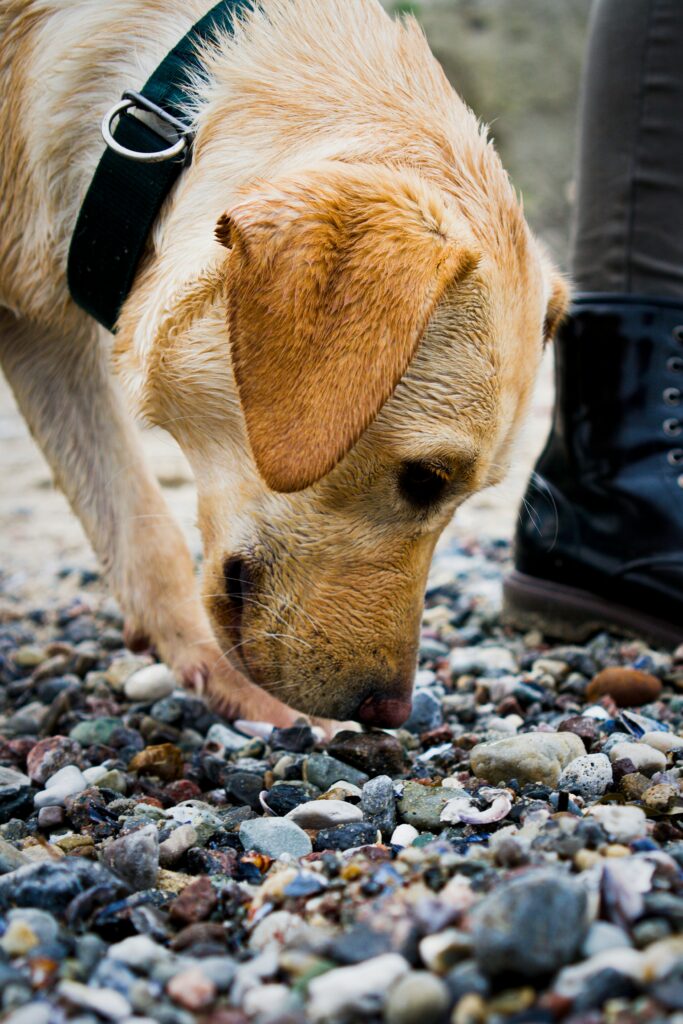
- Beagles and Basset Hounds: Scent hounds driven by olfactory input love hiding items and using their keen noses to track them down hours or days later.
Knowing breed tendencies helps clarify why do dogs hide their treats even when raised in identical home environments as non-hiding breeds.
6. When Hiding Treats Becomes a Problem: Health and Behavioral Risks
For most dogs, hiding treats is a completely harmless, healthy outlet for natural instincts. However, there are scenarios where the habit can lead to medical issues or behavioral distress.
┌──────────────────────────────────────────────────────────────────────────┐
│ POTENTIAL RISKS OF UNCHECKED TREAT HIDING │
├───────────────────────┬──────────────────────────────────────────────────┤
│ RISK FACTOR │ CONSEQUENCE / SYMPTOM │
├───────────────────────┼──────────────────────────────────────────────────┤
│ Resource Guarding │ Growling, snapping, or biting when approached │
│ Nose Scrapes (Abrasions)│ Redness, hair loss, or bleeding on snout bridge │
│ Food Spoilage │ Perishable treats rotting; attracting household pests│
│ Dental / Foreign Body │ Burying dirty items leading to bacterial ingestion│
└───────────────────────┴──────────────────────────────────────────────────┘
1. Resource Guarding
If your dog becomes possessive over their hidden stash—growling, freezing, displaying stiff body posture, or snapping if a human or another pet walks near their hiding spot—this indicates resource guarding. Left unmanaged, resource guarding can escalate into dangerous conflict.
2. “Carpet Burn” or Snout Abrasions
When dogs obsessively use their snout to push invisible dirt over carpeted floors or rough upholstery, the friction can rub the fur off the bridge of their nose, causing red, painful raw spots known as nasal dermatitis or carpet burns.
3. Food Spoilage and Pest Infestations
Burying fresh meat, raw bones, or moist treats in furniture or garden beds can attract ants, flies, rodents, and bacteria. Consuming spoiled cached food can lead to gastrointestinal distress or bacterial infections.
7. Practical Tips: How to Manage and Direct Your Dog’s Hiding Instincts
If you are trying to balance respecting your dog’s natural instincts with keeping your home clean and safe, follow these practical management strategies.
Switch to Rapidly Consumable Treats
If high-value chews trigger anxiety, whining, or frantic hiding rituals, replace long-lasting items with small, highly palatable treats that your dog consumes in under 30 seconds (e.g., small freeze-dried liver bites or soft meat training treats).
Create an Approved Indoor “Stash Zone”
Give your dog a designated, safe place to express their natural caching drive:
- Place a dedicated dog blanket or snuffle mat in a quiet corner.
- When you offer a long-lasting chew, guide them to their blanket zone.
- Allow them to tuck the treat under their dedicated blanket without human interference.
Trade, Don’t Steal
Never snatch a hidden treat away forcefully from your dog, a principle rooted in positive reinforcement dog training methods. This validates their fear that their treasures are in danger, intensifying their drive to hide and guard future treats. Instead, practice the “trade” game:
- Approach calmly holding a treat of equal or higher value (like a piece of fresh chicken).
- Show the chicken to your dog, toss it a few feet away from the hidden spot, and gently pick up the original item while they enjoy the reward.
Summary: Why Do Dogs Hide Their Treats?
To summarize the fundamental answers to why do dogs hide their treats:
- Ancient Evolutionary Instinct: Caching mimics the ancestral wolf habit of burying surplus meat in cool soil to preserve it from spoilage and scavengers.
- Resource Preservation: Dogs save prized, high-value chews for later when they are full or feeling overstimulated.
- Environmental Protection: In multi-pet homes, stashing prevents potential rivals from taking prized items.
- Behavioral Enrichment: Digging, snout-pushing, and hiding items provides engaging mental stimulation and relieves boredom, which is why trainers often recommend structured mental stimulation for dogs.
- Manageable Habit: While usually harmless, owners should monitor for snout friction burns, food spoilage, or resource guarding.
By understanding why do dogs hide their treats, you can appreciate this fascinating window into canine psychology, respect your dog’s innate needs, and create a safe, enriching environment for your beloved pet.