Something as tiny as a small modification to our routine could prompt surprisingly tricky questions. For example, it looks like a disposable straw substitution but the matter of their construction has big implications far beyond the mere look of the item. The answer to what is a reusable straw made of depends on the type of straw, its intended use, and the balance between durability, convenience, safety, and sustainability.
Commonly found reusable straws consist of such items that are made of the following substances: steel, silicone, glass, bamboo, titanium and reusable food-grade plastics. It all depends on certain physical properties. Some are extremely durable, whilst others offer flexibility and comfort, others seek natural appearance, while other seek lightweight properties for traveling purposes.
Choosing a reusable straw is not only about replacing single-use plastic materials; it is also about finding an option that fits your needs. Exploring more eco friendly lifestyle tips can help people make practical choices that reduce waste in everyday routines.
Actually, it is about identifying in practice, certain advantages of various materials. Metal ones may sustain use for a long term but will produce some feelings of usage with cool drinks. Silicone ones will be suitable for kids but will need a bit more of maintenance while cleaning. Glass ones may allow you an untouched taste but one must be careful while handling them.
Therefore, the right one is selected on the bases of its real usage.
In this review, we have looked over several of reusable straws based on material they are made of, in order to indicate their strengths and weaknesses, understand what differs between each of them:
Why Reusable Straw Materials Matter More Than Most People Realize
The global trend to choose to use long life products instead of single-use items has led people to embrace reusable substitutes. A product replacement only benefits if what you use to substitute with will last longer through daily usage. A reusable straw is involved with drinks, varying temperatures, how it is washed and how it is treated on a daily. This means the material plays a critical role in several features:
- Durability and lifespan
- Safety for food contact
- Ease of cleaning
- Resistance to odors and stains
- Temperature performance
- Environmental considerations
- Comfort during use
In other words, a customer, such as a person who drinks an iced coffee every morning, has a certain preference and use for the beverage and can correlate that to the most appropriate and feasible drinking option such as a reusable straw. Also, to know what the drinking aid is made of informs customers and gives more substance towards their decision based on use and function, and not purely the looks.
The Most Common Materials Used to Make Reusable Straws
Reusable straws are constructed from a range of materials, and these materials have different methods of manufacturing and different performances. A material might seem a very common one because its usage is more due to its rigidity and sturdiness. Or some other materials is common, it means that that material are very handy for us because of it’s flexibility or naturalism.
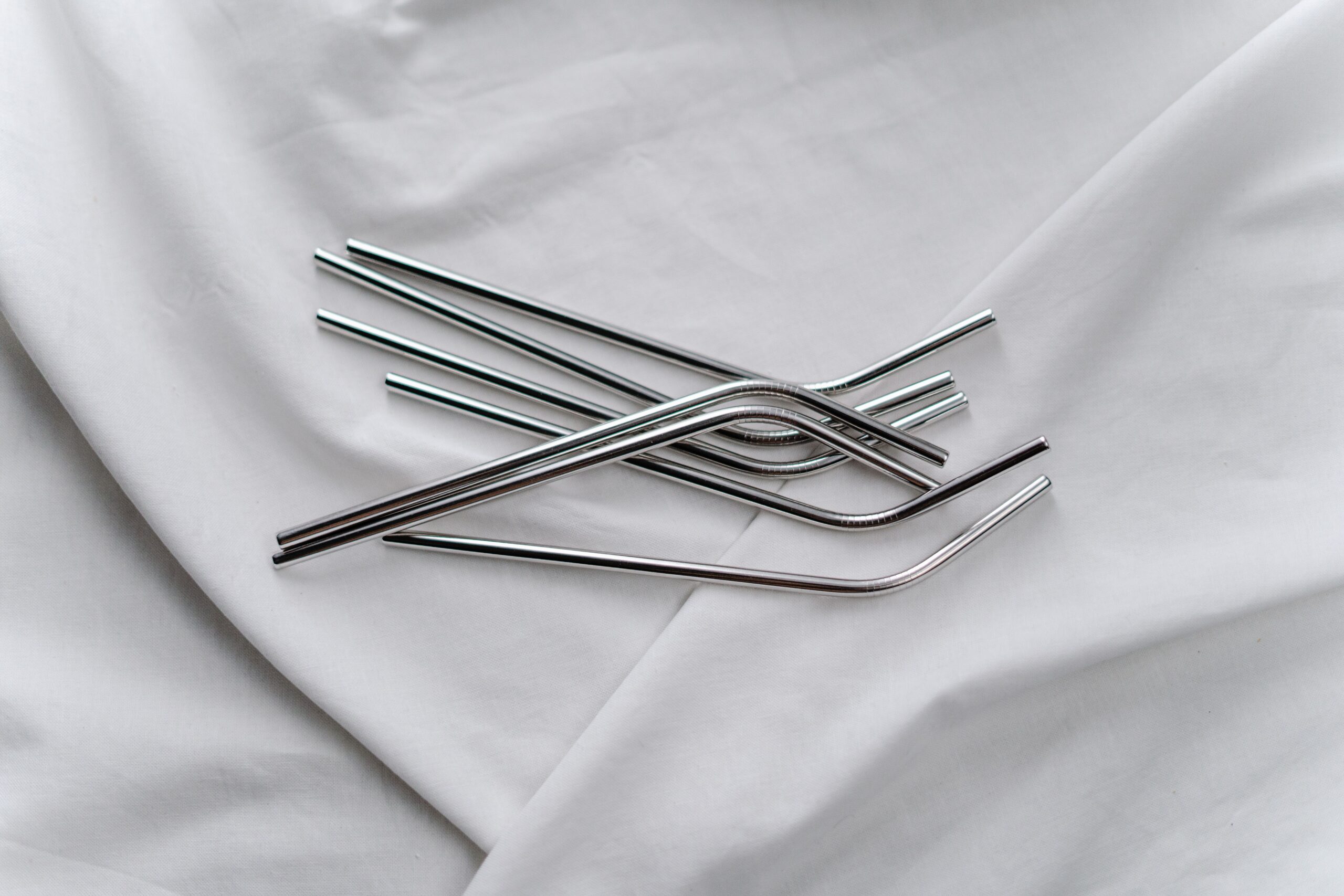
Stainless Steel: The Most Popular Durable Option
Perhaps the most popular choice for reusable straws, stainless steel’s use can be attributed to its resilience, durability, and ability to withstand constant use. Generally, reusable steel straws are manufactured using food-grade stainless steel, usually comprised of a 18/8 standard, which typically refers to the relative quantities of chromium and nickel that are an ingredient of the steel alloy.
The properties that make stainless steel attractive include:
- High durability
- Resistance to rust and corrosion
- Easy cleaning
- Long usable lifespan
- Ability to handle both cold and warm beverages
The most common use case for stainless steel straws tends to be for drinking such as water,iced tea, smoothies, and cold coffee. It’s worth noting, however, stainless steel has its own downsides. For instance, as a metal, it transmits temperature rapidly and some consumers find that stainless steel straws can get quite cold,especially when in a chilled beverage.
This material also offer a rigid feel that can not be to the liking of everybody.
However, for those that you have and wish to ensure they be used for years to come, stainless is one of sensible options to ensure they you a good number of years.
Silicone Straws: Flexible, Comfortable, and Family-Friendly
Silicone reusable straws, that is a reuse of drinking straws in a range of reusable form by taking of the Silicone, is material from an element on earth, the form it used most broadly is to be seen in all house supplies and also in children stuffs as the infant goods etc, that is also utilized in medical instrument because it is with good Flexibility. A Silicone material itself is of softness. The more people like to experience the sensation of chewing a certain soft material on the inside while slurping from the straw or they prefer not to taste metal.
Common features of silicone straws include:
- Flexibility
- Soft mouthfeel
- Resistance to breaking
- Suitability for children
- Compatibility with many cup sizes
Silicone straws are excellent choice for smoothies and thicker liquids as the body is typically more flexible and can therefore be manufactured as a wider straw than that of standard metal straws. Silicon also doesn’t conduct heat as quickly as metals, so the straw shouldn’t feel too cold on lips when using beverages that’s are served cold, such as a frappè.
But, it is difficult to clean a silicone straw properly, as they get sticky after using thick products that require a proper clean – use of a straw cleaner or similar device is beneficial. This can be a great reusable, durable, and safe addition to reduce your plastic straw waste, provided you opt for food-grade products and stay clear from dubious inferior manufacturers lacking information about their products.
Glass Straws: A Clear Alternative With a Clean Drinking Experience
Glass reusable straws are made from durable forms of glass, often borosilicate glass, which is known for its ability to handle temperature changes better than ordinary glass.
Their popularity comes from several qualities:
- Transparent appearance
- No metallic taste
- Smooth surface
- Easy visibility during cleaning
- Compatibility with many beverages
Some people feel glass won’t retain odors or tastes so this could be another reason people may use glass for drinks where tastes matter.
Your straw can be kept relatively clean if properly washed, because of the clean and simple interior surface being easier to clean and rinse.
But really, the #1 drawback to glass is breakability. While most sturdy glass reusable straws are built to not break too easily, they do need more gentle care. If glass might break where you are, or perhaps traveling, this might be your number #1 go-to alternative material.
Bamboo Straws: A Natural Material With Unique Characteristics
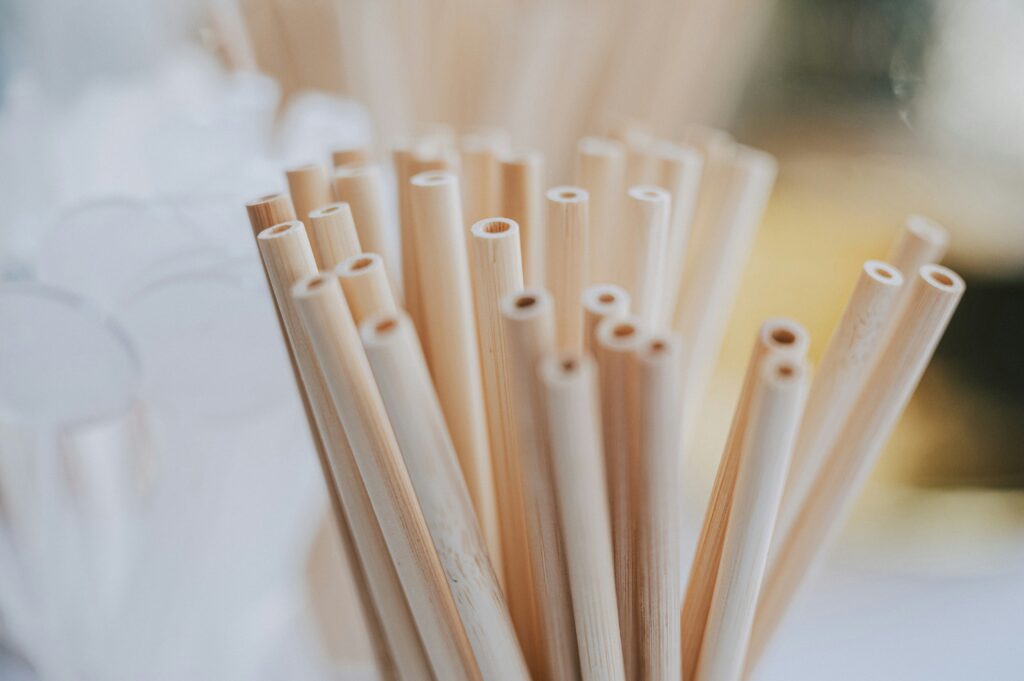
Made from the bamboo plant, bamboo straws use a rapidly renewable material that is commonly found in household items and construction projects. It’s more for customers who are interested in something that is organic and different visually/ tactile.
Advantages of bamboo straws include:
- Renewable plant-based material
- Lightweight design
- Natural appearance
- Biodegradable qualities compared with many synthetic materials
However, bamboo requires more maintenance than some other reusable straw materials.
Because bamboo is a natural material, it can absorb moisture if not properly dried. This means cleaning and storage are especially important.
Bamboo straws may need:
- Thorough washing after use
- Complete drying before storage
- Regular inspection for wear
They may not last as long as stainless steel or glass when used heavily, but they remain an appealing option for people who prefer natural materials.
Titanium Straws: Lightweight and Premium Durability
Titanium reusable straws are less common than stainless steel options but are valued for their strength-to-weight ratio.
Titanium is a lightweight metal known for durability and resistance to corrosion.
Benefits include:
- Extremely lightweight construction
- High durability
- Resistance to corrosion
- Long lifespan
Because titanium is more expensive than many other materials, titanium straws are usually considered a premium option.
They may appeal to travelers, outdoor enthusiasts, or people looking for a highly durable product without the weight of heavier materials.
What Is a Reusable Straw Made Of? A Complete Guide to Materials, Benefits, and Everyday Use (Continued)
Reusable Plastic Straws: Lightweight but Often Misunderstood
While many are think that we go with glass, metals, or natural resources with the thought of something reuse, however some reusable straws come made of reusable food-grade plastic like the single use variety, but more sturdy to last for frequent washing and drinking. Reusable plastic straws would include substances such as polypropylene or other non-toxic substances molded plastic material designed for ingestion.
Their main advantages include:
- Lightweight construction
- Low cost
- Resistance to breaking
- Variety of colors and designs
- Comfortable use for children and travel
Plastic reusable straws can be commonly packed with tumblers, water bottles, and personal drink carriers because they are user friendly. They are compact and carry around easily.
However there are some disadvantages to plastic reusable straws. Compared to steel or glass, some plastic may have a tendency to scratch over time and if so they can be harder to keep clean if particles get stuck in the scratches. Quality of plastic reusable straws can vary greatly. A quality food grade reuseable plastic straw, manufactured for reuse, has nothing in common with a single use plastic straw. Check the specifications on material as well as follow cleaning guidelines.
Comparing Different Reusable Straw Materials
Choosing the right reusable straw often comes down to personal priorities. No single material is perfect for every situation.
| Material | Main Benefits | Possible Limitations | Best For |
| Stainless steel | Durable, long-lasting, easy to clean | Hard surface, transfers temperature | Daily drinks, iced beverages |
| Silicone | Flexible, comfortable, soft texture | Requires careful cleaning | Children, smoothies, travel |
| Glass | Clean taste, transparent, smooth surface | Can break if dropped | Home use, flavor-sensitive drinks |
| Bamboo | Natural appearance, renewable material | Requires more maintenance | Occasional use, eco-focused users |
| Titanium | Lightweight and highly durable | More expensive | Travel and long-term use |
| Reusable plastic | Affordable, lightweight, practical | May scratch over time | Families and everyday convenience |
This comparison shows whyThis raises an important question: “What materials are reusable straws made from?” does not have one simple answer. The material determines how the straw behaves in everyday situations.
How Material Affects the Drinking Experience
The material of a reusable straw changes more than just durability. It can affect comfort, taste, and convenience.
Temperature
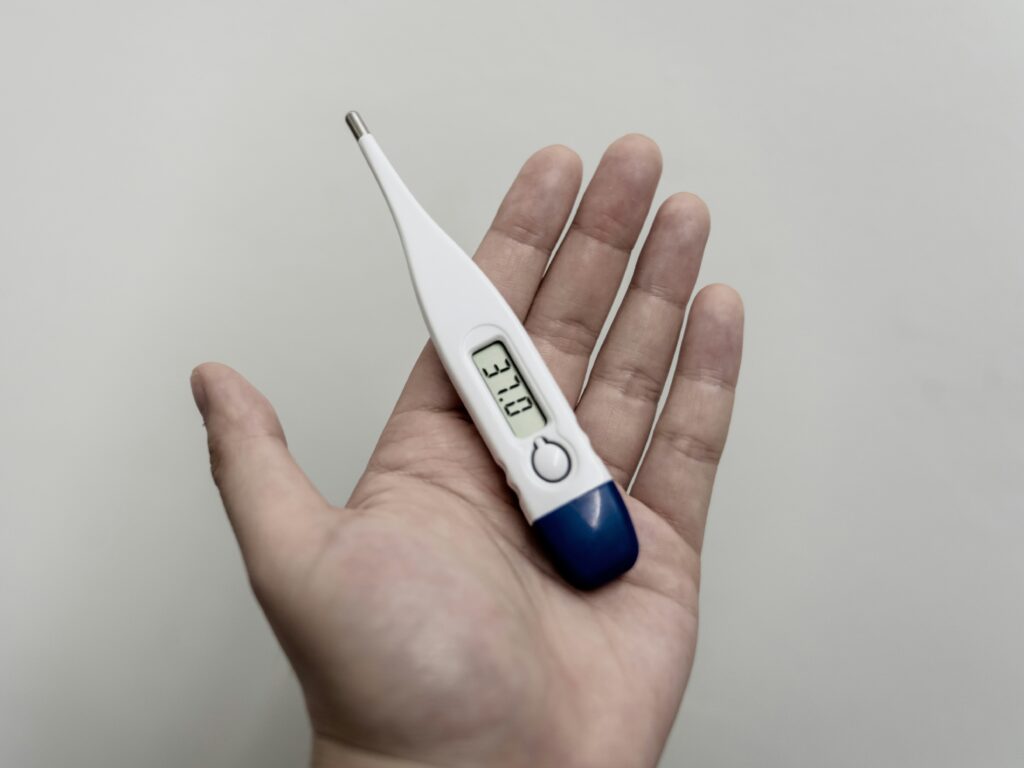
Hot and cold beverages cause material to react differently to hot and cold conditions. Metal straws will also rapidly respond to temperature from your drinks, resulting in you holding cold straws during your Iced-drinks. Therefore, silicone helps insulate and people who can’t stand the feel of cold metal. Glass straws can have relatively a normal beverage consuming experience, but will have the temperature concerns.
Taste and Odor
A straw’s surface can influence how flavors are experienced.
Materials with smooth, non-porous surfaces, such as stainless steel and glass, generally resist absorbing odors and flavors.
Natural materials like bamboo may require more maintenance because they can interact differently with moisture and food residue.
Comfort
The feel of the straw against the lips is another important factor.
Some users prefer:
- The firmness of stainless steel
- The softness of silicone
- The smoothness of glass
Personal preference often determines which material feels best.
Are Reusable Straws Safe to Use?
Safety depends less on the material name and more on the quality, manufacturing standards, and maintenance of the product.
A properly manufactured reusable straw made from food-safe materials can be used safely when cleaned correctly. Understanding food-grade material safety standards can help consumers choose products that are suitable for regular use and easier to maintain.
Important safety considerations include:
Choose Food-Grade Materials
Consumers should look for products specifically labeled for food contact. Reputable manufacturers usually provide information about the material used and care instructions.
Avoid products with unclear descriptions, unknown coatings, or missing material information.
Clean the Straw Properly
The inside of a straw can collect residue because liquid passes through a narrow opening. Regular cleaning is essential.
Good cleaning practices include:
- Rinsing after each use
- Using a straw brush for the inside surface
- Washing according to manufacturer instructions
- Allowing the straw to dry completely
A straw that looks clean on the outside may still contain buildup inside if it is not properly cleaned.
Inspect for Damage
Reusable straws should be replaced if they develop:
- Cracks
- Deep scratches
- Permanent discoloration
- Signs of deterioration
Damage can make cleaning more difficult and may affect the product’s performance.
Environmental Considerations: Is One Material Better Than Another?
Many people choose reusable straws because they want to reduce waste from single-use products. However, environmental impact is more complicated than simply choosing one material.
A reusable product generally needs to be used repeatedly to provide the benefits associated with replacing disposable alternatives.
Several factors influence environmental impact:
How Long the Straw Lasts
A durable stainless steel or titanium straw may remain usable for many years. Longer product life can reduce the need for frequent replacement.
How the Material Is Produced
Different materials require different manufacturing processes. Metals, glass, silicone, and plastics all involve resource use during production.
How the Product Is Maintained
A reusable straw that is cared for properly is more likely to last longer, reducing waste over time.
End-of-Life Considerations
Disposal options vary by material. Some materials may be easier to recycle or manage at the end of their useful life than others.
The most sustainable choice is often the product that a person will actually use consistently for a long period. Learning more about sustainable product choices can help consumers understand how materials, durability, and usage habits affect environmental impact.
Common Mistakes People Make When Choosing a Reusable Straw
Buying a reusable straw seems simple, but several mistakes can reduce satisfaction and shorten the product’s lifespan.
Choosing Based Only on Appearance
A colorful design may look appealing, but the material determines performance. A straw should match the person’s daily habits.
Someone who carries a straw everywhere may benefit from a durable option, while someone who mainly uses one at home may prefer a different material.
Ignoring Cleaning Requirements
Some people choose reusable products without considering maintenance.
A straw used for smoothies, protein drinks, or thick beverages may require more cleaning effort than one used only for water.
Buying the Wrong Size
Reusable straws come in different diameters.
A narrow straw may work well for water or juice but may not be ideal for thicker drinks. Smoothies and milkshakes often require wider openings.
Assuming All Reusable Straws Are the Same
Two products made from the same material can still differ in quality.
Manufacturing standards, design, thickness, and included cleaning tools can affect performance.
Which Reusable Straw Material Is Best for Different Situations?
The “best” reusable straw depends on lifestyle and personal needs.
For Everyday Water Bottles
Stainless steel and reusable plastic are common choices because they are practical and durable.
For Smoothies
Silicone and wider reusable plastic straws are often preferred because they allow thicker liquids to pass through more easily.
For Children
Soft silicone straws are often considered more comfortable because they reduce the risk of injury from a hard surface.
For Travel
Titanium, stainless steel, and durable silicone options are popular because they can handle frequent transport.
For Home Dining
Glass straws can be a good option for people who prefer a clean appearance and smooth drinking experience.
How to Maintain a Reusable Straw for Long-Term Use
Proper care can significantly extend the life of a reusable straw.
A simple maintenance routine includes:
Rinse Immediately After Use
Allowing beverage residue to dry inside the straw can make cleaning more difficult.
Use the Right Cleaning Tool
A small straw brush helps remove buildup from the interior surface.
Dry Completely
Especially with bamboo straws, complete drying helps prevent moisture-related problems.
Store Properly
Keep reusable straws in a clean, dry location. Travel cases can help protect them when carrying them outside the home.
What Is a Reusable Straw Made Of? A Complete Guide to Materials, Benefits, and Everyday Use (Continued)
Future Trends in Reusable Straw Materials
So what new twists might we be seeing in reusable straws to come? The market will keep developing with consumers continuing to be drawn towards straws that offer convenience, durability and an eco-friendly component. Some of the materials in use such as: silicone, stainless steel, glass, bamboo and reusable plastics may continue to expand as they have proven popular among consumers for now, but new prototypes and designs will also continue to be tested. Here are some potential innovations:
Better Durability Without Added Weight
Consumers increasingly want reusable products that are strong but easy to carry. Lightweight materials such as titanium demonstrate how manufacturers are looking for ways to improve portability without sacrificing lifespan.
More Sustainable Material Options
Some companies are experimenting with plant-based materials and alternative manufacturing approaches. The challenge is creating materials that are not only renewable but also durable enough for repeated daily use.
A reusable product must survive regular cleaning and handling to provide practical value.
Improved Designs for Cleaning
One challenge with reusable straws is maintaining hygiene. Future designs may focus on features such as:
- Easier disassembly
- Better visibility for cleaning
- Improved brush compatibility
- More accessible internal surfaces
A product that is easier to clean is more likely to be used consistently.
More Specialized Straw Designs
Instead of one universal straw, manufacturers are creating options designed for specific purposes:
- Wide straws for smoothies
- Flexible straws for children
- Collapsible travel straws
- Temperature-resistant options
- Straws designed for specific drink containers
This shift recognizes that different users have different needs.
How to Choose the Right Reusable Straw Material
The best reusable straw is not necessarily the most expensive or the most environmentally marketed option. The right choice depends on how the straw fits into everyday life.
Before buying, consider a few practical questions.
What Drinks Will You Use It For?
The type of beverage matters.
For example:
- Water and juice usually work well with most materials.
- Smoothies often require wider openings.
- Hot beverages may require careful consideration because some reusable straws are not designed for high temperatures.
Where Will You Use It?
A straw used mainly at home has different requirements than one carried daily.
For travel, durability and portability may matter most. For home use, comfort and cleaning convenience may be higher priorities.
How Much Maintenance Are You Willing to Do?
Every reusable product requires some level of care.
People who prefer simple cleaning may choose stainless steel or glass because of their smooth surfaces. Those who prioritize flexibility may accept the extra attention silicone requires.
Who Will Use It?
A material that works well for one person may not work for another.
Children, older adults, travelers, and people with specific comfort preferences may benefit from different designs.
A Practical Look at Reusable Straw Materials
The question “what is a reusable straw made of?” is ultimately about more than identifying materials. It is about understanding how those materials behave during everyday use.
It is durable in stainless steel Straw. In Silicone straw is Flexible and comfortable Straw in 30cm reusable straw. Glass is used where is for the experience with good smooth clean feeling Straw in Glass .
While bamboo are the best choice where it’s more of a natural element choice for straw.
It’s much lightweight to carry by titanium, while the cheap cost material by reusable plastic to enjoy drink at.
Each option involves trade-offs.
There is no material that is perfect in every category. The right choice depends on how well you balance factors such as:
- Personal habits
- Cleaning preferences
- Durability expectations
- Comfort needs
- Environmental priorities
Making an informed decision means looking beyond marketing claims and considering how a product will actually be used.
Final Takeaways: Understanding What a Reusable Straw Is Made Of
There are quite a few different types of reusable straws that you can choose from, but some common and popular materials include silicone, stainless steel, plastic, titanium, glass, and even bamboo. They all come with distinct benefits and disadvantages.
The answer to what is a reusable straw made of depends on the purpose behind the choice. Someone seeking maximum durability may prefer stainless steel or titanium. Someone looking for flexibility may choose silicone. A person who values taste neutrality and appearance may prefer glass.
Consider the material, of course, but also be thinking about quality, cleanliness, and the straw finding its way into your day. Afterall, a good reusable straw is useful if and when you make sure it becomes and remains your favorite go to option.
Frequently Asked Questions (FAQs)
1. What is the safest material for a reusable straw?
The safest food material for everyone really comes down to a mix of how it’s made and how it’s used, which leaves many possibilities like food-grade stainless steel, silicone, glass, titanium, bamboo, and some types of reusable plastics potentially as safe choices.
2. Are stainless steel straws better than silicone straws?
It depends on personal preference. Stainless steel straws are generally valued for durability and long-term use, while silicone straws are preferred by people who want flexibility and a softer feel. Both have advantages depending on the situation.
3. Can reusable straws be used for hot drinks?
Some reusable straws may be suitable for certain warm beverages, but many are primarily designed for cold drinks. Always check the manufacturer’s instructions before using a reusable straw with hot liquids.
4. How often should a reusable straw be replaced?
Replacement depends on the material, quality, and condition of the straw. A well-maintained stainless steel or glass straw may last for years, while other materials may need replacement sooner if they become damaged or difficult to clean.
5. Are bamboo straws hygienic?
Bamboo straws are sanitary if you do them properly. Bamboo straws are natural and should be washed and dried clean right after using them so to keep moisture out for good.
6. Do reusable straws reduce plastic waste?
Reusable straws can make you less dependent on disposables in the long run if you keep reusing them. Your overall benefit to the environment would then hinge on how it’s made, used, and disposed of.
Conclusion
There are many reusable straws available and if you are considering switching from single-use plastics, you have a number of materials at your disposal. Whether stainless steel, silicone, glass, bamboo, titanium, or food-grade plastic is best for you depends upon a range of factors related to both your life and your personal use and preferences of the reusable drinking straw. Making sure you select not just a product that helps to make it easier not to get through dozens of plastic straws, but also a safe, adaptable, long lasting and useable drinking solution can save time, money and also cut back on harmful waste.