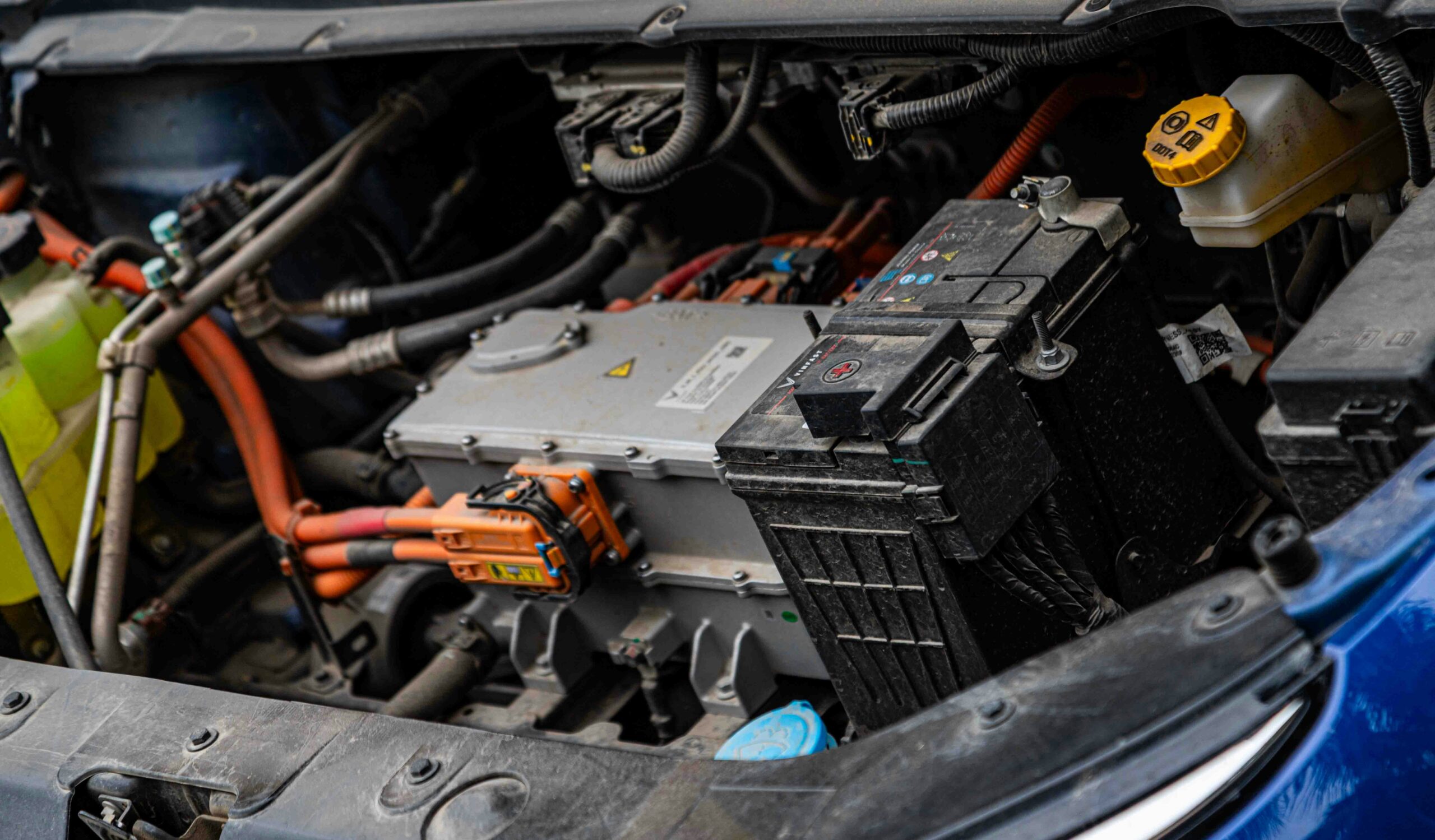
Car batteries a vital link in the electric system of your car A car battery is without doubt one of the vital components within the automotive electrical system, that’s required for starting the engine of a automobile and powering important electronics if you end up not on the wheel. Many drivers know that vehicles use a “12-volt battery,” but they often wonder how many volts is a car battery actually supposed to have during different operating conditions.
The answer is not always exactly 12 volts. A healthy automotive battery typically produces a voltage slightly above or below this number depending on whether the engine is running, whether the battery is fully charged, and the overall condition of the electrical system.
Understanding how many volts is a car battery can help vehicle owners identify potential problems before they experience a dead battery or unexpected breakdown. A simple voltage check with a digital multimeter can provide valuable information about battery health, charging performance, and whether further inspection is needed.
Why Car Battery Voltage Matters
The voltage of a battery is a measurement of its capacity to hold energy, or the available voltage when it’s at its maximum. Voltage is not an absolute indication of the condition of the battery, however, but is a key factor in beginning to troubleshoot problems in a vehicle. A bad battery may show correct voltage, but might not be able to give enough punch to start the engine when needed.
If you are having problems starting your vehicle, you might have an issue with your charging system.
In this case, your battery can be in good shape but lose its charge if the alternator is not recharging it properly.
Knowing the expected car battery voltage helps drivers understand whether their battery is operating normally or showing signs of trouble.
How Many Volts Is a Car Battery When Fully Charged?
Most modern vehicles use a 12-volt car battery. However, a fully charged battery does not usually measure exactly 12 volts.
A healthy, fully charged automotive battery typically reads around 12.6 volts when the engine is turned off and the vehicle has been sitting for several hours.
The following table shows common voltage readings and what they may indicate:
| Battery Voltage Reading | Condition | Possible Meaning |
| 12.6V or higher | Fully charged | Battery is in good condition |
| 12.4V–12.5V | Mostly charged | Normal but slightly below full charge |
| 12.0V–12.3V | Partially discharged | Battery may need charging |
| Below 12.0V | Low charge | Possible battery problem |
| Below 10.5V | Severe issue | Possible damaged battery cell |
These readings are general guidelines and can vary slightly depending on battery type, temperature, and testing conditions.
Car Battery Voltage While the Engine Is Off
When checking how many volts is a car battery with the engine off, the battery should typically measure between approximately 12.4 and 12.7 volts if it is healthy and properly charged.
To get the most accurate measurement:
- Turn off all vehicle accessories.
- Allow the vehicle to sit for a few hours if possible.
- Connect a digital multimeter to the battery terminals, and refer to a car battery voltage chart to better understand what the voltage reading indicates.
- Check the voltage reading.
Testing immediately after driving may produce a slightly different result because the battery can hold a temporary surface charge from the alternator.
Regular battery voltage checks are especially useful before long trips or during extreme weather conditions, when battery performance can decline.
How Many Volts Is a Car Battery While Running?
Battery Voltage with Engine Running and How It Changes Drivers often are shocked to learn the battery voltage rises when the engine starts. This occurs when the alternator starts both charging the battery as well as providing power for the vehicle’s electrical system. With a properly working charging system, the voltage will be approximately 13.7-14.7 volts while the engine is running.
If the voltage remains close to that of the rested battery while the engine is on, then it’s very possible the alternator is not functioning properly, so understanding how a car alternator works can help identify charging system problems more accurately.
Even extremely high voltage could be a sign of a bad charging system.
Understanding how many volts is a car battery during operation helps distinguish between battery problems and alternator issues
Factors That Affect Car Battery Voltage
Several conditions can influence battery voltage readings.
Temperature
Cold weather can cause a drop in battery power; reduced voltage. In winter, you may need to put more energy into starting your vehicle. In addition, the chemical reaction in the battery is slowed.
Battery Age
Older batteries are also less likely to retain their charge, so if you have an older battery, you may find that it cannot supply enough power to your car even on a basic voltage test.
Driving Patterns
If you are taking short trips, the battery will not get enough time to recharge, which will cause it to lose some of its charge.
Electrical Accessories
Using accessories such as lights, stereos, and cell phone chargers when the engine is off will drain the battery.
Signs Your Car Battery Voltage May Be Too Low
A low battery voltage reading is often accompanied by noticeable symptoms.
Common warning signs include:
- Slow engine cranking
- Clicking sounds when starting
- Dim headlights
- Electrical accessories working poorly
- Battery warning light appearing on the dashboard
- Frequent need for jump starts
If these symptoms occur, checking battery voltage can help determine whether the issue is related to the battery or another component of the electrical system.
How to Test Car Battery Voltage Correctly
Learning how many volts is a car battery is useful, but knowing how to measure that voltage accurately is equally important. A digital multimeter is one of the easiest tools for checking battery condition at home. It allows drivers to identify whether a battery is fully charged, partially discharged, or showing signs of possible failure.
In order to run a simple voltage test: Shut off the engine and all accessories and put the multimeter on DC volts setting. Touch the red probe to the positive (+) side of the battery, and touch the black probe to the negative (-) terminal. If the voltage test shows about 12.6 volts, the battery is fully charged.

If it’s considerably lower than that, you’ll need to charge it or inspect it more closely.
A battery, however, can be up to voltage and still not be up to the job, so that one test won’t always tell the whole story of a battery’s health. Professionals test a battery with specialized equipment that puts the battery under a heavy load and measures how it holds up under those conditions.
Battery Problems vs Alternator Problems
Your Battery vs. The Alternator Many motorists change their battery when the problem actually lies with the charging system of the vehicle. The alternator and the battery cooperate with one another; however they have two very distinct jobs.
The battery stores electrical energy, then it releases that energy to supply power to your car as the engine is turned on.
The alternator generates electric power while the engine is running and then recharge the battery..
If a vehicle repeatedly loses power, testing how many volts is a car battery both before and after starting the engine can help identify the cause.
A battery problem may cause:
- Slow starting
- Frequent jump-start requirements
- Low resting voltage
- Difficulty holding a charge
An alternator problem may cause:
- Battery warning light activation
- Battery losing charge while driving
- Voltage staying too low when the engine is running
- Flickering lights or electrical issues
Testing both components provides a clearer picture of the vehicle’s electrical health.
Common Mistakes When Checking Battery Voltage
It may be easier said than done to test your battery: While checking a car battery may not appear too involved of a process there are numerous potential pitfalls to be wary of that will lead to inaccurate tests. Top on the list of most frequent errors is testing the battery too quickly after driving your vehicle as the alternator can cause a surface charge that will cause the test reading to give you false information.
Not checking the battery connections will also lead to misleading results, and in some cases even a battery malfunction due to loose connections or build-up of corrosive matter on the battery terminals can mimic symptoms of battery malfunction. Some drivers rely solely on the battery voltage reading when assessing the condition of their car battery.while overlooking other important signs that provide a more complete assessment of the battery’s overall condition. battery’s viability is an examination of physical factors, the age of the battery, its capacity to perform under stress, and how it responds to the electrical demands.
When determining how many volts is a car battery, always consider the complete situation rather than focusing on a single measurement.
Tips to Maintain Healthy Battery Voltage
Tips to Maintain Healthy Battery Voltage with our car maintenance guides can help improve battery performance and keep your vehicle running reliably.
Correct maintenance may also assist with longevity of the battery, and maintain the voltage level of the battery.
The battery terminals should be inspected and cleaned as required to ensure that there is no corrosion build up. These connections provide a better passage for the electricity to flow between the vehicle system and the battery.
Electronic accessories which may remain on when the engine is off, for a prolonged period of time should be turned off as they will cause the battery voltage to drain at a much faster rate (e.g. Lights, battery chargers and entertainment systems).
For vehicles that are stored for long periods of time, the use of a battery maintainer should be considered, this should reduce unnecessary battery discharge and allow the battery voltage to remain relatively high. Normal driving will allow the alternator to continually recharge the battery.
Extreme temperatures will impact the performance of a battery, therefore attempting to maintain temperature within an acceptable range may aid in longer battery life
When Should You Replace a Car Battery?
Even a well-maintained battery eventually wears out. Most automotive batteries have a limited service life influenced by climate, driving habits, and maintenance.
A battery replacement may be necessary if:
- The battery repeatedly fails voltage tests
- The engine struggles to start
- The battery is several years old
- The battery casing appears swollen or damaged
- The vehicle requires frequent jump starts
Understanding how many volts is a car battery helps drivers recognize when performance is declining and take action before a complete failure occurs.
Conclusion
Knowing how many volts is a car battery provides valuable insight into your vehicle’s electrical condition. A healthy 12-volt battery usually measures around 12.6 volts when fully charged and approximately 13.7 to 14.7 volts while the engine is running. Regular voltage checks, proper maintenance, and awareness of warning signs can help prevent unexpected breakdowns. By understanding battery readings and the relationship between the battery and alternator, drivers can make smarter decisions about repairs, charging, and replacement.

Frequently Asked Questions
1. Is a car battery exactly 12 volts?
No. Although called a 12-volt battery, a fully charged battery usually measures around 12.6 volts when the engine is off.
2. What voltage means a car battery is bad?
A reading below 12 volts after resting may indicate a weak or discharged battery, but additional testing is needed to confirm failure.
3. What Voltage Reading Should a Running Car Battery Have?
A properly working charging system usually produces between 13.7 and 14.7 volts while the engine is running.
4. Can a car start with low battery voltage?
Sometimes, but a low-voltage battery may struggle, especially during cold weather or when additional electrical power is required.
5. When Should You Check Your Car Battery Voltage?
Checking every few months or before long trips can help identify problems early and maintain reliable performance.